Treatment Center for Infertility and Sexual Disorders

Get Traetmant and Information on Erectile Dysfunction Premature Ejaculation Treatment Male Infertility treatment Female infertility Treatment STD Treatment Genital Herpes Treatment Penile Enhancement
Showing posts with label sexualhealth. Show all posts

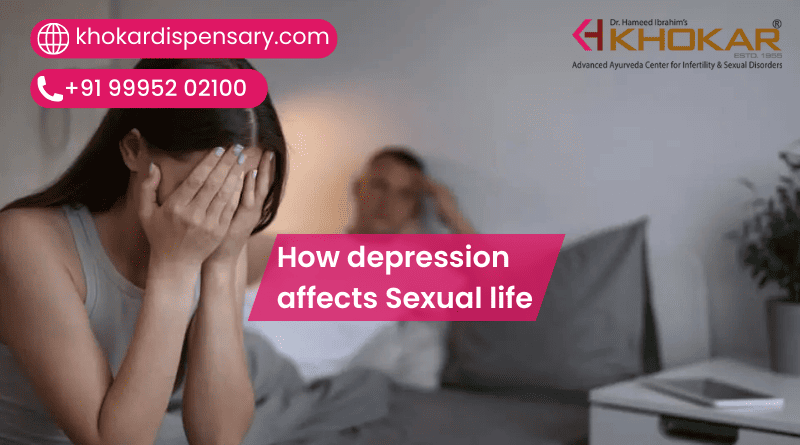
How depression affects Sexual life

Monday, 23 March 2026

How depression affects Sexual life

How depression affects Sexual life. Depression is a serious mental health condition that affects millions of people worldwide. While most discussions focus on mood changes, energy levels, or sleep disturbances, one aspect often overlooked is how depression affects sexual life. Relationships, intimacy, and sexual desire can all be significantly impacted, creating additional stress and emotional challenges. Dr Hameed Ibrahim Khokar emphasises that understanding these effects is crucial for both individuals and couples seeking to maintain healthy sexual and emotional relationships.

Understanding Depression and Its Symptoms

Depression is more than feeling sad or low; it is a medical condition that affects thoughts, feelings, and behaviours. Common symptoms include:

  • Persistent sadness or emptiness
  • Loss of interest or pleasure in activities
  • Fatigue and lack of energy
  • Sleep disturbances
  • Changes in appetite
  • Difficulty concentrating

Because these symptoms affect daily functioning, it is not surprising that they also interfere with sexual life.

How Depression Impacts Sexual Desire

One of the most common effects of depression is reduced libido. Meanwhile, the emotional burden of depression often makes individuals feel unmotivated to engage in sexual activity.

Factors That Reduce Sexual Desire

  1. Low Energy: Fatigue and lack of motivation make sexual activity less appealing.
  2. Mood Changes: Persistent sadness, irritability, or guilt reduces sexual interest.
  3. Medication Effects: Antidepressants and other medications may cause decreased libido or erectile difficulties.

As a result, couples may experience frustration, misunderstanding, or emotional distance.

Physical Changes in Sexual Function

Depression does not only affect emotional desire; it can also impact physical sexual response. For example:

  • Difficulty achieving or maintaining erections in men
  • Reduced vaginal lubrication in women
  • Delayed orgasm or inability to reach orgasm
  • General decrease in sexual satisfaction

These physical symptoms often create a cycle where anxiety about sexual performance worsens depression, which in turn further reduces sexual function.

Emotional Consequences of Depression on Sexual Life

Emotional intimacy is closely tied to sexual health. Depression may cause:

  • Reduced emotional connection with a partner
  • Feelings of guilt or shame regarding sexual desire
  • Anxiety about sexual performance or satisfaction
  • Increased likelihood of relationship conflicts

Consequently, depression can strain relationships, leading to additional stress and isolation.

Impact on Relationships

Because sexual health is closely linked to relationship satisfaction, depression affects sexual life in ways that ripple through partnerships. Couples may face:

  • Reduced frequency of sexual activity
  • Communication breakdowns about intimacy
  • Frustration, resentment, or misunderstanding
  • Emotional withdrawal

Comparison Table: Depression Impact on Sexual Life

AspectNormal Sexual FunctionImpact of Depression
LibidoModerate to highSignificantly reduced
Physical ResponseNormal arousal, orgasm achievableErectile issues, delayed orgasm, decreased lubrication
Emotional IntimacyStrong connection with partnerReduced emotional connection, increased guilt/anxiety
FrequencyRegular sexual activityLess frequent or absent

Role of Medication and Treatment

It is important to note that some antidepressants may affect sexual desire and performance. Common medications such as SSRIs can lead to decreased libido or difficulty reaching orgasm. However, Dr Hameed Ibrahim Khokar points out that:

  • Adjusting dosage under medical supervision can help
  • Switching medications may reduce sexual side effects
  • Therapy can address emotional and relational aspects

Consequently, treatment plans should address both mental health and sexual health to improve overall wellbeing.

Related Post:

» Ayurvedic Remedies For Sexual Wellness In Men

» What is Sexual Disorder & Ayurvedic Treatment for Sexual Problems in Kerala

» How to Overcome Sexual Performance Anxiety

» Does Stress Can Cause a Low Sexual Drive

» How depression affects Sexual life

Strategies to Improve Sexual Life During Depression

While depression can negatively impact sexual life, several strategies may help:

1. Open Communication

Discussing feelings, expectations, and sexual concerns with a partner can reduce anxiety and misunderstandings.

2. Professional Help

Seeking support from a psychologist, sex therapist, or psychiatrist can provide tailored guidance.

3. Lifestyle Changes

Exercise, a balanced diet, and sufficient sleep can improve energy levels and mood, positively affecting sexual desire.

4. Mindfulness and Intimacy Exercises

Focusing on emotional connection, touch, and non-sexual intimacy may improve closeness and reduce pressure for sexual performance.

5. Adjusting Medications

Under the supervision of Dr Hameed Ibrahim Khokar or another physician, medication adjustments may help reduce sexual side effects.

Understanding the Cycle: Depression and Sexual Dysfunction

Depression and sexual dysfunction often reinforce each other. For example:

  1. Depression reduces sexual desire
  2. Sexual dissatisfaction causes guilt or stress
  3. Increased stress worsens depressive symptoms
  4. Cycle repeats

Breaking this cycle requires combined attention to mental health, relationship dynamics, and physical wellness.

Importance of Early Intervention

Delaying treatment for depression not only prolongs emotional suffering but also exacerbates sexual dysfunction. Early recognition and intervention provide:

  • Faster improvement in mood
  • Better sexual function restoration
  • Stronger emotional bonds with partners
  • Prevention of long-term relationship strain

Tips for Couples Managing Depression and Sexual Life

  • Be patient and empathetic
  • Focus on non-sexual forms of intimacy
  • Schedule time for connection without pressure
  • Seek professional counselling together
  • Encourage lifestyle habits that support mental health

Conclusion

Depression profoundly affects sexual life, including desire, performance, and emotional intimacy. Understanding these effects helps individuals and couples manage challenges effectively. Meanwhile, treatment, lifestyle adjustments, communication, and professional guidance from experts like Dr Hameed Ibrahim Khokar improve both mental and sexual health.

Ultimately, sexual dysfunction during depression is not permanent, and early intervention enhances relationships, restores satisfaction, and strengthens emotional well-being. Addressing both mental health and sexual health simultaneously ensures a balanced and fulfilling life for those affected.

Social:

https://in.pinterest.com/pin/350788258499154107/

https://x.com/khokarclinic/status/2036004992033956223

https://www.linkedin.com/feed/update/urn:li:share:7441771615304036352/

https://www.facebook.com/khokarspecialityclinic/posts/pfbid029Z7aMb5qeHxGqNpcvRothKKpFXTugRwfwFvzFqEZv1EDCiwWLVNeAFz8NVL5PK4ml

Why should I visit a Sexologist?

Thursday, 12 February 2026

Why should I visit a Sexologist?

Why should I visit a Sexologist?. Sexual health is an important part of overall wellbeing. However, many people still feel uncomfortable talking about it. In fact, most individuals avoid discussing sexual problems even when the issue affects their confidence, relationship, or mental peace. While this is common, it can also lead to unnecessary stress and long-term complications.

That is why visiting a sexologist can be one of the smartest steps you take for your health. A sexologist is a trained medical professional who understands sexual concerns and provides proper guidance, diagnosis, and treatment. Whether you are dealing with physical problems, emotional struggles, or relationship difficulties, a sexologist can help you find safe and effective solutions.

At Khokar Dispensary, we believe that sexual health should never be ignored. Instead, it should be treated with the same seriousness as any other medical issue. Moreover, seeking help early often leads to better and faster results.

So, if you are wondering why you should consult a sexologist, this article will explain everything in a simple and clear way.

Understanding What a Sexologist Does

A sexologist is a healthcare expert who specialises in sexual health and reproductive wellness. They help people deal with sexual problems that may be physical, psychological, or emotional.

A sexologist can help with:

  • sexual performance concerns

  • low libido or loss of interest

  • erectile dysfunction

  • premature ejaculation

  • painful intercourse

  • infertility-related stress

  • sexually transmitted infections (STIs)

  • relationship and intimacy issues

  • anxiety and sexual fear

Therefore, visiting a sexologist is not only for “serious” issues. It can also be helpful if you simply want clarity, confidence, or professional advice.

Additionally, a sexologist provides a private and respectful environment, which makes it easier to speak openly.

Common Signs You Should Visit a Sexologist

Many people delay getting help because they think their issue is temporary. However, if symptoms continue, it is better to consult a professional.

Here are common signs that indicate you should visit a sexologist:

1. You Are Facing Erectile Dysfunction

If you find it difficult to achieve or maintain an erection, you may feel embarrassed. However, erectile dysfunction is a common medical condition and can happen due to stress, diabetes, hormonal imbalance, or poor blood circulation.

Moreover, it can also be an early warning sign of heart-related problems. Therefore, consulting a sexologist can protect your health in more ways than one.

2. You Ejaculate Too Quickly

Premature ejaculation is another common concern among men. Although it is treatable, many people avoid discussing it. As a result, they suffer silently and lose confidence.

A sexologist can identify the cause and provide medication, counselling, or behavioural techniques.

3. You Have Low Sexual Desire

Low libido can happen in both men and women. It may occur due to stress, depression, hormonal changes, relationship issues, or certain medications.

Therefore, if your interest in intimacy has reduced for weeks or months, a sexologist can help you understand why.

4. Sex Feels Painful or Uncomfortable

Pain during intercourse is not normal. It may be caused by infections, dryness, pelvic conditions, or psychological factors.

Instead of tolerating discomfort, you should seek medical guidance. A sexologist can diagnose the cause and suggest treatment accordingly.

5. You Feel Anxiety or Fear About Sexual Performance

Performance anxiety is extremely common. Many people worry about satisfying their partner, which creates pressure and emotional stress.

Unfortunately, anxiety can worsen the issue. Therefore, professional counselling and guidance can help break this cycle.

Why People Avoid Visiting a Sexologist (And Why They Shouldn’t)

Even though sexual health issues are common, many people still avoid consulting a sexologist. The reasons include:

  • shame or embarrassment

  • fear of judgment

  • cultural stigma

  • lack of awareness

  • believing the issue will resolve itself

However, sexual health is just like physical health. If you have a fever, you visit a doctor. Similarly, if you have sexual problems, visiting a sexologist is the right step.

Moreover, early treatment can prevent future complications. Therefore, delaying only increases stress and relationship tension.

How a Sexologist Helps Improve Your Mental Health

Sexual health and mental health are closely connected. If your sexual life is stressful, it can lead to:

  • depression

  • low self-esteem

  • relationship conflict

  • emotional frustration

  • anger and insecurity

On the other hand, when sexual health improves, confidence increases automatically. Additionally, emotional connection with your partner becomes stronger.

A sexologist can help you:

  • understand your body better

  • reduce anxiety

  • build confidence

  • improve communication

  • feel more relaxed and normal

Therefore, the benefits are not only physical but also emotional.

Related Post:

» Ayurvedic Remedies For Sexual Wellness In Men

» What is Sexual Disorder & Ayurvedic Treatment for Sexual Problems in Kerala

» How to Overcome Sexual Performance Anxiety

» Does Stress Can Cause a Low Sexual Drive

» How depression affects Sexual life

Visiting a Sexologist Can Strengthen Your Relationship

Many couples struggle in silence. They may love each other deeply, but intimacy issues create distance. Over time, this can lead to arguments, lack of trust, or emotional withdrawal.

A sexologist helps couples by:

  • improving communication between partners

  • resolving misunderstandings

  • addressing intimacy expectations

  • guiding both partners with practical advice

  • providing treatment for medical issues

Moreover, couples often feel relief when they finally talk openly with a professional. As a result, their bond becomes stronger and healthier.

Sexologists Help Treat Medical Conditions Related to Sexual Health

Sometimes, sexual problems are not psychological at all. Instead, they are caused by medical conditions.

A sexologist can help identify issues like:

  • diabetes

  • high blood pressure

  • hormonal imbalance

  • testosterone deficiency

  • thyroid problems

  • prostate-related concerns

  • infections or STIs

Therefore, visiting a sexologist can also help detect hidden health conditions early.

Additionally, a sexologist may recommend lab tests or medical examinations to find the exact cause.

Sexual Health Problems Are More Common Than You Think

Many people believe they are alone. However, sexual health issues are extremely common.

For example:

  • erectile dysfunction affects millions of men worldwide

  • premature ejaculation is one of the most common male sexual concerns

  • low libido is common in both genders

  • vaginal dryness and pain during intercourse can happen due to hormonal changes or stress

So, you are not abnormal. You are simply human.

Therefore, seeking professional help is not something to feel ashamed of. Instead, it shows responsibility and maturity.

What Happens During a Sexologist Consultation?

One of the biggest fears people have is not knowing what will happen during the appointment. Fortunately, a sexologist consultation is simple, respectful, and private.

At Khokar Dispensary, the consultation process typically includes:

Step 1: Private Discussion

The doctor will ask questions about:

  • your symptoms

  • medical history

  • lifestyle habits

  • stress levels

  • relationship concerns

This is done confidentially and professionally.

Step 2: Basic Examination (If Needed)

If required, the doctor may perform a general health check. In some cases, lab tests may be suggested.

Step 3: Diagnosis and Treatment Plan

After understanding the issue, the sexologist will recommend treatment, which may include:

  • medication

  • counselling

  • lifestyle changes

  • diet recommendations

  • stress management strategies

  • hormonal treatment (if needed)

Therefore, the process is focused on improving your health safely.

Benefits of Visiting a Sexologist

Visiting a sexologist offers many advantages. Here are some major benefits:

1. Accurate Diagnosis

Instead of guessing, you get a clear medical understanding of the problem.

2. Personalised Treatment

Every patient is different. Therefore, a sexologist provides treatment that matches your body and situation.

3. Improved Confidence

Once you understand your issue and begin treatment, your confidence naturally improves.

4. Better Relationship Satisfaction

When intimacy improves, relationships become more peaceful and emotionally connected.

5. Better Overall Health

Sexual problems can sometimes indicate serious health issues. Therefore, early consultation can protect your future health.

When Should You Visit a Sexologist Immediately?

While mild issues may improve with lifestyle changes, certain symptoms should not be ignored.

You should visit a sexologist if:

  • the issue continues for more than a few weeks

  • you experience pain during intercourse

  • you notice blood in urine or semen

  • your erection problems worsen suddenly

  • you suspect an STI

  • you feel extreme anxiety or depression related to intimacy

Additionally, if your relationship is suffering due to intimacy issues, seeking professional support is a wise decision.

Why Choose Khokar Dispensary for Sexual Health Support?

At Khokar Dispensary, we understand that sexual health is a sensitive topic. Therefore, we focus on providing:

  • confidential consultations

  • respectful and non-judgmental medical support

  • personalised treatment plans

  • professional guidance for men and women

  • trusted advice based on medical science

Moreover, our goal is to help you feel comfortable, confident, and healthy again.

Whether your concern is physical, emotional, or relationship-based, our experts are here to support you with care and privacy.

Conclusion

Visiting a sexologist is not something to feel embarrassed about. Instead, it is a responsible step toward better health, stronger relationships, and improved confidence. Sexual problems are common, treatable, and often connected to emotional or medical conditions that deserve attention.

Moreover, professional guidance can save you years of stress and confusion. Whether you are facing erectile dysfunction, premature ejaculation, low desire, or relationship issues, help is available.

At Khokar Dispensary, we provide respectful, confidential, and professional support to help you improve your sexual wellbeing and overall quality of life.

If you feel something is affecting your intimate life, don’t ignore it. Take the step, speak to a specialist, and move toward a healthier and happier future.

Social:

https://in.pinterest.com/pin/350788258498858069/

https://x.com/khokarclinic/status/2021875343846715760

https://www.linkedin.com/feed/update/urn:li:share:7427641617223782400/

https://www.facebook.com/khokarspecialityclinic/posts/pfbid02c9uN3gbruGquAWaNnfQqgNQcmTvXwKU9zHk8uxGyvzXEMzUyj7nxvECtH7eJdUBpl

What is orgasms? What happens during an orgasm?

Tuesday, 10 February 2026

What is orgasms? What happens during an orgasm? 
What is orgasms? What happens during an orgasm?. Many people feel curious about orgasms, yet they often hesitate to talk about them openly. However, understanding orgasms is not only normal, but it is also important for overall sexual health and emotional well-being. In fact, orgasms are one of the most natural responses of the human body, and they can happen in different ways for different people.

So, what is orgasms, and what exactly happens during an orgasm? Let’s explore everything in detail, from physical reactions to emotional effects, while keeping things simple and clear.

What is an Orgasm?

An orgasm is the peak of sexual pleasure, where the body releases built-up sexual tension through rhythmic muscle contractions and intense sensations. Usually, it happens during sexual activity, masturbation, or stimulation of sensitive body areas. However, some people can experience orgasms even without direct physical touch due to mental stimulation.

Simply put, an orgasm is the body’s way of responding to sexual excitement. It includes both physical and emotional reactions, and it often leaves a person feeling relaxed afterward.

Moreover, orgasms are not just about pleasure. They also play a role in hormonal balance, stress relief, and even better sleep.

Types of Orgasms

Although many people think orgasms are all the same, the truth is quite different. Orgasms can vary depending on the type of stimulation and the person’s anatomy.

1. Clitoral Orgasm

A clitoral orgasm happens due to stimulation of the clitoris, which contains thousands of nerve endings. Therefore, it is one of the most sensitive pleasure points in the female body.

2. Vaginal Orgasm

A vaginal orgasm can occur through penetration and stimulation of the vaginal walls. However, it may not happen for everyone easily, since sensitivity differs from person to person.

3. Penile Orgasm

A penile orgasm usually happens due to stimulation of the penis and often results in ejaculation. Still, orgasm and ejaculation are not always the same thing.

4. Anal Orgasm

Some individuals experience orgasm through anal stimulation. Since the anus contains many nerve endings, it can create strong sensations when stimulated safely.

5. Multiple Orgasms

Some people can experience multiple orgasms, meaning they reach orgasm more than once in a short period. This is more common in women, although men can also experience it in certain conditions.

What Happens During an Orgasm?

An orgasm is not just a moment—it is a process. The body goes through several stages before, during, and after orgasm. Let’s break it down.

The Stages of Sexual Response

1. Excitement Stage

During sexual arousal, the body prepares itself for intimacy. For example:

  • Heart rate increases

  • Breathing becomes faster

  • Blood flow increases to genitals

  • Muscles begin to tense

In women, the vagina becomes lubricated. Meanwhile, in men, the penis becomes erect. At this stage, the body becomes more sensitive to touch.

2. Plateau Stage

Next, the body enters the plateau stage. Here, arousal intensifies and the body becomes even more responsive.

At this point:

  • The clitoris may become more sensitive

  • Testicles rise closer to the body

  • Blood pressure increases

  • The body experiences stronger sexual tension

Furthermore, many people notice an increase in warmth, sweating, and body movement.

3. Orgasm Stage

This is the peak moment. During orgasm, the body releases sexual tension through rhythmic contractions.

Common orgasm reactions include:

  • Intense pleasure sensations

  • Muscle contractions in pelvis and genitals

  • Increased heart rate

  • Quick breathing

  • Vocal sounds or involuntary movements

In men, orgasm often includes ejaculation. In women, orgasm may involve contractions in the uterus and vaginal muscles.

Most importantly, orgasm is a reflex. That means the body responds automatically once stimulation reaches a certain level.

4. Resolution Stage

After orgasm, the body gradually returns to normal. Muscles relax, breathing slows down, and heart rate decreases.

In addition, many people feel calm, satisfied, or sleepy. This happens because the brain releases hormones that reduce stress and create comfort.

Related Post:

» Ayurvedic Remedies For Sexual Wellness In Men

» What is Sexual Disorder & Ayurvedic Treatment for Sexual Problems in Kerala

» How to Overcome Sexual Performance Anxiety

» Does Stress Can Cause a Low Sexual Drive

» How depression affects Sexual life

What Happens in the Brain During an Orgasm?

Orgasms are not only physical—they are also deeply connected to the brain. In fact, the brain controls the orgasm response through hormones and nerve signals.

During orgasm, the brain releases:

  • Dopamine (pleasure chemical)

  • Oxytocin (bonding hormone)

  • Endorphins (natural painkillers)

  • Serotonin (mood stabilizer)

As a result, many people feel emotionally connected, happier, and more relaxed after orgasm. Therefore, orgasms can improve both mood and mental health.

What Happens in the Body During an Orgasm?

The body reacts strongly during orgasm, and several systems activate at once.

Physical Changes During Orgasm

Here’s what typically happens:

  • The pelvic muscles contract rhythmically

  • The genital area becomes highly sensitive

  • Blood flow peaks and then releases

  • The body may shake slightly

  • Skin may flush or turn red

  • The body temperature may rise

Additionally, some people may experience a sudden release of emotional tension, which can even lead to crying or laughing. This is completely normal.

How Long Does an Orgasm Last?

Orgasms usually last between 5 to 30 seconds, although the sensation can feel longer due to intensity. For women, orgasms may last slightly longer than men’s orgasms.

However, duration is not the only factor. Sometimes, a shorter orgasm can feel stronger, while a longer one may feel less intense.

Why Do Orgasms Feel Different for Everyone?

Every orgasm feels unique because every body is different. Many factors affect orgasm intensity, including:

  • Stress levels

  • Hormone balance

  • Relationship comfort

  • Mental focus

  • Stimulation type

  • Physical health

  • Medications

For instance, anxiety can reduce pleasure, while emotional closeness can improve orgasm quality. Therefore, both the mind and body play an important role.

Benefits of Orgasms

Orgasms are not just enjoyable—they also provide real health benefits. Here are some important ones:

1. Stress Relief

Orgasms reduce stress hormones like cortisol. As a result, many people feel calm afterward.

2. Better Sleep

Since orgasm releases oxytocin and endorphins, it often helps the body relax and fall asleep faster.

3. Improved Mood

Orgasms increase serotonin and dopamine, which can naturally improve mood and reduce depression symptoms.

4. Pain Relief

Many people notice reduced headaches or cramps after orgasm. This happens because endorphins act as natural pain relievers.

5. Stronger Emotional Bond

During sex, orgasm can create emotional closeness between partners because oxytocin increases bonding.

Can Someone Have an Orgasm Without Sex?

Yes, orgasms can happen without sex. Some people experience orgasms through:

  • Masturbation

  • Erotic thoughts

  • Vibrations (such as during exercise or riding)

  • Sleep orgasms (wet dreams)

Additionally, some women experience orgasm during childbirth, while others may experience it due to nerve sensitivity.

Although it may sound surprising, the human body is capable of orgasm in multiple ways.

Common Problems Related to Orgasms

Even though orgasms are natural, many people face difficulties. Fortunately, these issues are common and treatable.

1. Difficulty Reaching Orgasm (Anorgasmia)

Some individuals struggle to reach orgasm despite stimulation. This may happen due to stress, hormonal imbalance, or medical issues.

2. Premature Ejaculation

Men may experience orgasm too quickly. However, lifestyle changes, counseling, or medical treatments can help.

3. Delayed Orgasm

Some people take a long time to orgasm. This may happen due to medications, anxiety, or nerve-related conditions.

4. Painful Orgasm

Pain during orgasm is not normal and may indicate infection, pelvic disorders, or inflammation. Therefore, medical consultation is recommended.

When Should You See a Doctor?

While orgasm changes are often harmless, some signs should not be ignored. You should consult a healthcare provider if:

  • orgasm becomes painful

  • you experience sudden loss of sexual sensation

  • erectile dysfunction continues

  • orgasm problems affect mental health

  • you notice abnormal discharge or bleeding

At Khokar Dispensary, proper guidance and health support can help you understand and manage sexual wellness concerns in a safe and respectful way.

Conclusion

Understanding what is orgasms and what happens during an orgasm helps remove confusion and fear around sexual health. Orgasms are a natural part of the human body, involving the brain, nerves, muscles, and hormones. They can vary in intensity and type, yet they often bring relaxation, happiness, and emotional satisfaction.

Most importantly, every person’s experience is different. Therefore, there is no “perfect” orgasm. What matters is comfort, consent, and healthy communication.

If you face concerns related to orgasm, sexual performance, or reproductive health, Khokar Dispensary can provide guidance and support for safe and effective wellness solutions.

Social:

https://in.pinterest.com/pin/350788258498841858/

https://x.com/khokarclinic/status/2021119028836827559

https://www.linkedin.com/feed/update/urn:li:share:7426886439935647745/

https://www.facebook.com/khokarspecialityclinic/posts/pfbid021aaxgbErfGJQUXUHK83oRj95XKdZ6fgp6JqQT8H4vVroxD8nTxAtZy9oomDoWhH7l

Is my lack of interest in sex normal?

Sunday, 25 January 2026

Is my lack of interest in sex normal?

Is my lack of interest in sex normal?. Many people quietly ask themselves, “Is my lack of interest in sex normal?” However, they often hesitate to talk about it. Because sexual desire feels personal, changes in libido can trigger worry, guilt, or confusion. Still, the truth is reassuring. A lack of interest in sex, also called low libido, is far more common than most people realize.

At Khokar Dispensary, we believe honest health conversations matter. Therefore, this article explains why sexual desire changes, when it is normal, and when medical advice may help. Moreover, we aim to reduce stigma and help you feel confident about your body and health.

Understanding Sexual Desire

Sexual desire does not remain constant throughout life. Instead, it shifts due to physical, emotional, and psychological influences. Some people naturally experience strong interest in sex, while others feel desire less often. Importantly, both experiences can be healthy.

Moreover, sexual health is not just about intercourse. It includes emotional closeness, self-image, energy levels, and overall wellbeing. Therefore, when one area feels off, desire may decrease temporarily or long-term.

Is Lack of Interest in Sex Normal?

Yes, lack of interest in sex is normal for many people at different stages of life. For example, stress, illness, or emotional strain can reduce libido. Additionally, hormonal changes or medications often influence sexual desire.

However, what matters most is how you feel about it. If low libido does not bother you, it may not require treatment. On the other hand, if it causes distress or affects relationships, support can help.

Common Causes of Low Libido

1. Stress and Mental Health

Modern life creates constant pressure. As a result, stress and anxiety commonly reduce sexual desire. When the brain feels overwhelmed, the body prioritizes survival rather than pleasure.

Furthermore, depression often lowers energy, motivation, and interest in intimacy. Therefore, addressing mental health often improves libido naturally.

2. Hormonal Changes

Hormones strongly influence sexual desire. For example, low testosterone in men and estrogen imbalance in women may reduce interest in sex. Additionally, menopause, pregnancy, and breastfeeding often cause hormonal shifts.

However, hormonal changes do not mean something is “wrong.” Instead, they reflect normal life transitions.

3. Physical Health Conditions

Chronic illnesses like diabetes, heart disease, and thyroid disorders may affect blood flow, nerve function, or energy levels. Consequently, sexual desire may decline.

Moreover, pain during intercourse or fatigue can discourage intimacy. Therefore, treating the underlying condition often restores desire.

4. Medications and Treatments

Many prescription medicines influence libido. For instance, antidepressants, blood pressure drugs, and hormonal contraceptives may reduce sexual interest.

Nevertheless, stopping medication without guidance is risky. Instead, healthcare providers can suggest safer alternatives.

5. Relationship and Emotional Factors

Emotional connection matters deeply. Therefore, unresolved conflict, poor communication, or lack of trust may reduce desire. Additionally, routine and boredom can also affect long-term relationships.

However, open communication often improves intimacy more than expected.

Psychological and Emotional Influences

Your thoughts and feelings shape sexual desire more than many realize. For example, low self-esteem, body image concerns, or past trauma may reduce comfort with intimacy.

Meanwhile, cultural beliefs or guilt around sex may subconsciously suppress desire. Therefore, counseling or therapy can help uncover hidden emotional barriers.

Related Post:

» Ayurvedic Remedies For Sexual Wellness In Men

» What is Sexual Disorder & Ayurvedic Treatment for Sexual Problems in Kerala

» How to Overcome Sexual Performance Anxiety

» Does Stress Can Cause a Low Sexual Drive

» How depression affects Sexual life

When Should You Be Concerned?

Although low libido is common, some signs suggest professional support may help:

  • Sudden, unexplained loss of desire

  • Ongoing distress or frustration

  • Relationship difficulties linked to intimacy

  • Pain or discomfort during sex

  • Other symptoms like fatigue or mood changes

In such cases, medical advice ensures peace of mind and proper care.

How Khokar Dispensary Can Help

At Khokar Dispensary, we offer compassionate, confidential care for sexual health concerns. Our healthcare professionals assess physical, emotional, and lifestyle factors together.

Moreover, we focus on personalized solutions rather than quick fixes. Whether the cause is hormonal, psychological, or medication-related, proper guidance makes a difference.

Practical Ways to Improve Sexual Desire

Improve Lifestyle Habits

Firstly, regular exercise boosts circulation and mood. Secondly, balanced nutrition supports hormone production. Additionally, quality sleep restores energy and mental clarity.

As a result, healthy routines often improve libido naturally.

Reduce Stress Actively

Mindfulness, meditation, or even daily walks reduce stress hormones. Meanwhile, relaxation improves emotional connection and desire.

Therefore, stress management supports both mental and sexual wellbeing.

Communicate Openly

Talking honestly with your partner reduces pressure and misunderstanding. Furthermore, emotional safety encourages intimacy without expectations.

In fact, communication alone often improves desire.

Seek Medical Advice Early

Early support prevents unnecessary worry. Additionally, timely treatment improves long-term outcomes. Therefore, professional guidance should feel empowering, not embarrassing.

Breaking the Myth: Libido Is Not a Performance

Society often sets unrealistic expectations about sexual desire. However, libido is not a competition or obligation. Instead, it reflects physical health, emotional balance, and personal comfort.

Therefore, comparing yourself to others creates unnecessary stress. Your experience is valid.

Conclusion

So, is my lack of interest in sex normal? In most cases, yes. Sexual desire changes with life, health, and emotions. However, you do not need to struggle in silence.

At Khokar Dispensary, we encourage open conversations and informed choices. Because sexual health is part of overall health, caring for it improves confidence, relationships, and wellbeing.

Social:

https://in.pinterest.com/pin/350788258498722826/

https://x.com/khokarclinic/status/2015634779564310921

https://www.linkedin.com/feed/update/urn:li:share:7421401965332574208/

https://www.facebook.com/khokarspecialityclinic/posts/pfbid02cL3se85aw1upVJv5ZAvVBHuaY9EMqAzxjQfM2wgoSaHu7FBNhSwtTtznq7GYAu1dl

What causes White Vaginal Discharge during Sexual Intercourse?

Friday, 12 December 2025

What causes White Vaginal Discharge during Sexual Intercourse?

What causes White Vaginal Discharge during Sexual Intercourse?. Vaginal discharge is a normal part of a woman’s reproductive health, and it plays a key role in maintaining the health of the vaginal area. Many women experience white vaginal discharge at different times in their lives, and it is especially common during or after sexual intercourse. While this discharge is usually harmless, it can sometimes be a sign of an underlying issue that needs attention.

Understanding what causes white vaginal discharge during sexual intercourse is important for maintaining good reproductive health and knowing when to seek medical advice. In this article, we’ll explore the common reasons for white vaginal discharge, its connection to sexual activity, and when it’s time to consult a healthcare professional.

Normal Lubrication During Sexual Activity

One of the most common reasons for white vaginal discharge during sexual intercourse is natural lubrication. The vagina is designed to produce fluids that help keep the area moist and facilitate sexual activity. This discharge is typically clear or white and is a healthy part of the body's response to sexual arousal. The consistency and amount of vaginal discharge may vary based on hormonal changes, the stage of the menstrual cycle, and individual differences.

Tip: If the discharge is odorless and not accompanied by irritation or itching, it is most likely just natural lubrication.

Hormonal Changes and Ovulation

Hormonal fluctuations play a significant role in the amount and type of vaginal discharge a woman experiences. During the ovulation phase of the menstrual cycle, which usually occurs around the middle of the cycle, the body produces more estrogen. This increased estrogen level triggers an increase in cervical mucus, which often becomes thicker and white. This discharge is typically clear or milky in color and can be noticed during or after sexual intercourse.

Tip: White discharge during ovulation is perfectly normal and is a sign that the body is preparing for potential fertilization. It usually becomes thinner and more slippery as ovulation nears, making it easier for sperm to travel through the cervix.

Pregnancy and White Vaginal Discharge

Pregnancy can also cause changes in vaginal discharge. As soon as a woman becomes pregnant, her body undergoes significant hormonal changes. Increased estrogen levels can lead to an increase in vaginal discharge. The discharge may become thicker, white, and even more noticeable during sexual intercourse. This is usually a normal part of pregnancy and is known as leukorrhea. The body produces more mucus to protect the growing fetus from potential infections.

Tip: If you suspect you might be pregnant and notice increased white discharge, it is a good idea to take a pregnancy test or visit your healthcare provider for confirmation.

Infections – Yeast Infections and Bacterial Vaginosis

While most instances of white vaginal discharge during sex are normal, in some cases, an infection could be the cause. Two common types of infections that cause abnormal white discharge are yeast infections and bacterial vaginosis (BV). Both conditions can cause changes in the texture, color, and odor of vaginal discharge.

Yeast Infection

A yeast infection is caused by an overgrowth of the Candida fungus. It can result in thick, white, cottage cheese-like discharge that may be associated with itching, burning, or discomfort during intercourse. Yeast infections are often triggered by a disruption in the balance of bacteria in the vagina, which can occur due to factors like antibiotics, pregnancy, or a weakened immune system.

Tip: If your discharge is thick, white, and clumpy, and accompanied by itching or a burning sensation, it’s important to see a doctor for a diagnosis and treatment.

Bacterial Vaginosis (BV)

Bacterial vaginosis occurs when the balance of natural bacteria in the vagina is disrupted. This condition can lead to a white, gray, or yellowish discharge with a fishy odor. It’s usually accompanied by symptoms like itching and a burning sensation during urination or intercourse. BV is not classified as a sexually transmitted infection, but it can increase the risk of developing one.

Tip: BV is treatable with antibiotics, so it’s important to see a healthcare provider for the appropriate diagnosis and treatment.

Sexually Transmitted Infections (STIs)

Certain sexually transmitted infections (STIs) can lead to abnormal white discharge during or after sexual intercourse. STIs such as chlamydia, gonorrhea, and trichomoniasis can cause changes in the vaginal discharge, which may be white, yellow, or green in color. Additionally, these infections can cause discomfort, pain, and unusual odors in the discharge.

Tip: If you have a new sexual partner or are at risk of contracting an STI, it’s important to get tested regularly and seek medical treatment if you experience unusual discharge or other symptoms such as pain during intercourse or urination.

Related Post:

» Ayurvedic Remedies For Sexual Wellness In Men

» What is Sexual Disorder & Ayurvedic Treatment for Sexual Problems in Kerala

» How to Overcome Sexual Performance Anxiety

» Does Stress Can Cause a Low Sexual Drive

» How depression affects Sexual life

Post-Sexual Intercourse and Cervical Mucus

After sexual intercourse, some women notice an increase in white vaginal discharge. This is often due to cervical mucus mixing with semen or natural lubrication. This discharge can be thick and white and may last for a few hours to a day, depending on the individual.

Tip: This type of discharge is completely normal and usually resolves itself without the need for medical treatment.

Use of Contraceptives

Certain forms of contraceptives, particularly birth control pills and IUDs, can lead to changes in vaginal discharge. The hormonal changes caused by birth control can lead to an increase in cervical mucus production, which may result in white discharge. For some women, this discharge may be more noticeable during or after sexual intercourse.

Tip: If you suspect that your contraceptive method is affecting your discharge, talk to your healthcare provider about potential alternatives.

8. Diet and Lifestyle Factors

In some cases, dietary and lifestyle factors can affect vaginal health and the appearance of vaginal discharge. High levels of stress, poor diet, or inadequate hygiene can contribute to changes in vaginal discharge. For example, a diet high in sugar or processed foods can contribute to yeast infections, which may result in white, clumpy discharge.

Tip: Maintaining a balanced diet, practicing good hygiene, and managing stress can help keep vaginal health in check and reduce the risk of abnormal discharge.

Conclusion

White vaginal discharge during sexual intercourse is a common and usually harmless occurrence. Most of the time, it is simply a result of natural lubrication, hormonal changes, or pregnancy. However, if the discharge is accompanied by other symptoms like itching, burning, or an unusual odor, it could be a sign of an infection, such as a yeast infection or bacterial vaginosis. It is always important to pay attention to your body and seek medical advice if you’re unsure about the cause of abnormal discharge.

At Khokar Dispensary, we are dedicated to providing quality care and support for women’s health. If you are concerned about any changes in your vaginal discharge or experience any discomfort, please do not hesitate to contact us for professional advice and treatment options. Your health and well-being are our priority.

Social:

https://in.pinterest.com/pin/350788258498361110/

https://x.com/khokarclinic/status/1999401206394028050

https://www.linkedin.com/feed/update/urn:li:share:7405168209605226496/

https://www.facebook.com/khokarspecialityclinic/posts/pfbid02EEZ3hue54sr4LL8PRZmbXXFNbSenHafCDfJbhJQ7QHLLKrugcvvMF26bQr6zAjjul

Health Factors that affect a Man’s Sexual Life

Sunday, 23 November 2025

Health Factors that affect a Man’s Sexual Life

Health Factors that affect a Man’s Sexual Life. A man’s sexual life is shaped by far more than desire alone. In reality, sexual performance, libido, and overall satisfaction depend on a delicate balance of physical health, emotional stability, and daily habits. Many men assume that sexual changes are always related to age or stress. However, several hidden health factors can quietly influence everything from stamina to erection quality. Because sexual wellness reflects the entire body’s condition, even small disruptions can create noticeable changes.

In this detailed guide, we explore the main health factors that strongly affect a man’s sexual life. You’ll learn how hormones, lifestyle choices, medical conditions, and emotional health all contribute to sexual performance. You will also understand when these changes are normal and when they may signal a deeper issue that requires attention.

1. Hormonal Health: The Powerhouse Behind Male Sexual Function

Hormones act as chemical messengers in the body, and they have a major impact on sexual performance. When they shift even slightly, sexual desire can rise or fall quickly.

Testosterone Levels and Libido

The most important hormone for men is testosterone. It boosts libido, supports sperm quality, increases energy, and helps maintain strong erections.
However, testosterone levels begin to drop naturally with age. Stress, poor diet, smoking, and lack of sleep also cause sharp declines. Because of this, a man may feel tired, uninterested, or less confident in bed.

Other Hormones That Influence Sexual Life

Although testosterone gets the most attention, hormones like cortisol, dopamine, thyroid hormones, and oxytocin are equally important.
For example:

  • High cortisol reduces desire and weakens erection strength.

  • Low dopamine decreases pleasure and motivation.

  • Thyroid imbalance affects stamina and metabolism.

These hormonal shifts often go unnoticed until sexual symptoms appear.

2. Mental and Emotional Health: The Hidden Drivers of Sexual Desire

Sexual activity is not only physical—it is deeply connected to the mind. Because of this, emotional well-being plays a strong role in a man’s sexual satisfaction.

Stress and Performance Pressure

Stress is one of the most common reasons men struggle with sexual performance. It raises cortisol, reduces blood flow, and increases muscle tension. Moreover, when men worry about performance, the anxiety itself becomes a barrier.
This creates a loop: stress affects performance, and poor performance increases stress.

Depression and Low Self-Esteem

Depression reduces dopamine, which affects pleasure signals in the brain. Consequently, men with depression often feel little desire, even when their relationships are healthy. Additionally, low confidence can reduce excitement and make sexual experiences feel overwhelming.

Relationship Conflicts

Arguments, mistrust, and lack of emotional connection significantly influence libido. Even small disagreements create emotional distance, which weakens desire and intimacy.

3. Lifestyle Factors: Daily Habits That Boost or Damage Sexual Health

Even small daily habits can dramatically shape a man’s sexual life. When lifestyle choices remain unhealthy for long periods, they affect hormones, stamina, and circulation.

Diet and Nutrition

Food directly impacts sexual stamina and erection strength. Diets high in refined sugars, saturated fats, and processed foods weaken blood vessels. Because erections depend on blood flow, this leads to weaker performance.

On the other hand, a diet rich in fruits, vegetables, healthy fats, and whole grains improves circulation and increases testosterone naturally.

Exercise and Physical Activity

Exercise improves nearly every aspect of sexual health. It boosts testosterone, strengthens the heart, increases stamina, and enhances blood flow.
Regular physical activity also elevates confidence, which plays a major role in sexual satisfaction.

Smoking and Alcohol

Smoking restricts blood flow and damages artery walls, leading to erection issues.
Excessive alcohol lowers testosterone and weakens nerve sensitivity, making arousal more difficult.

Sleep Quality

Sleep is where hormone recovery happens. Poor sleep reduces testosterone and increases fatigue, making sexual desire drop significantly.

4. Physical Medical Conditions That Influence Sexual Life

Several health issues directly affect sexual ability. Some of these conditions develop slowly, so men often do not notice the impact until symptoms become obvious.

Diabetes

Diabetes damages nerves and blood vessels, leading to reduced sensitivity and weaker erections. It is one of the leading causes of erectile dysfunction in men under 50.

Heart Disease

Because erections depend on strong blood flow, heart problems often cause early sexual symptoms. In fact, erectile issues may appear years before heart disease becomes serious.

High Blood Pressure

Hypertension tightens blood vessels, restricting the blood supply needed for firm erections.

Obesity

Extra body weight lowers testosterone and increases estrogen levels in men. This shift leads to low libido, poor performance, and low energy.

Chronic Conditions

Conditions such as kidney disorders, liver disease, thyroid problems, and high cholesterol also influence sexual performance.

5. Medications and Medical Treatments

Many medications help treat serious illnesses, but they can also affect a man’s sexual life.

Common Medications That Affect Performance

Some medicines that may lower libido or weaken erections include:

  • Antidepressants

  • Blood pressure medications

  • Hormonal drugs

  • Anti-anxiety medicines

These drugs may disrupt nerve signals or hormone production, affecting sexual response.

Cancer Treatments

Chemotherapy and radiation often affect testosterone levels and energy. However, these effects can improve over time as the body recovers.

What Should You Do?

If changes occur after starting medication, consult a healthcare professional. Never stop medication suddenly without medical advice.

Related Post:

» Ayurvedic Remedies For Sexual Wellness In Men

» What is Sexual Disorder & Ayurvedic Treatment for Sexual Problems in Kerala

» How to Overcome Sexual Performance Anxiety

» Does Stress Can Cause a Low Sexual Drive

» How depression affects Sexual life

6. Age-Related Changes in Sexual Function

Sexual ability does not disappear with age. Instead, it evolves.

Natural Hormonal Decline

Testosterone decreases gradually as men grow older. However, many men maintain strong sexual health well into their 50s, 60s, and beyond with proper care.

Slower Arousal and Recovery

Older men sometimes require more time for arousal. Additionally, erections may take slightly longer to achieve. However, satisfaction often increases because of emotional maturity and better communication.

Positive Side of Aging

Older men often understand their partners more deeply, communicate better, and enjoy intimacy with greater confidence.

7. Psychological Confidence and Body Image

Confidence is one of the strongest predictors of sexual performance.
When a man feels comfortable with his body, his desire increases naturally.
However, negative body image, financial stress, and low self-worth can quickly reduce libido.

Rebuilding confidence through exercise, counseling, or open communication with a partner significantly improves sexual satisfaction.

8. Environmental and Social Influences

Sometimes, external factors quietly affect a man’s sexual life without him noticing.

Work Stress

Long working hours, pressure, and mental exhaustion decrease desire.

Financial Worries

Money-related stress affects emotional stability, making intimacy feel less important.

Lack of Privacy

Living in overcrowded spaces or environments without personal space reduces opportunities for intimacy.

When to Seek Help

Although occasional sexual issues are normal, persistent problems may require medical guidance.
You should consult a specialist if you experience:

  • Sudden or long-term loss of libido

  • Difficulty achieving or maintaining an erection

  • Pain during intercourse

  • Hormonal symptoms such as fatigue or mood swings

  • Anxiety or depression linked to sexual performance

At Khokar Dispensary, professionals offer confidential, compassionate, and effective treatment for all sexual health concerns.

Conclusion

A man’s sexual life depends on a complex balance of hormones, emotional health, physical fitness, and lifestyle choices. Although challenges are common, most can be improved through healthier habits, reduced stress, and the right medical support. Understanding these health factors empowers men to take control of their sexual well-being and enjoy a more fulfilling intimate life.

For personalized care and expert support, Khokar Dispensary is always here to help.

Social:

https://in.pinterest.com/pin/350788258498224547/

https://x.com/khokarclinic/status/1992806105110724937

https://www.linkedin.com/feed/update/urn:li:share:7398572487858556928/

https://www.facebook.com/khokarspecialityclinic/posts/pfbid0CybJTLfU3GUzVttjDXqnZ3gEKHBF8mjsDURUq6SgmSCfvwQndTcvhDWzWBB7GLxhl