Treatment Center for Infertility and Sexual Disorders

Get Traetmant and Information on Erectile Dysfunction Premature Ejaculation Treatment Male Infertility treatment Female infertility Treatment STD Treatment Genital Herpes Treatment Penile Enhancement
Showing posts with label lowlibido. Show all posts

Can Stress Reduce Sexual Desire?

Monday, 5 October 2026

Can Stress Reduce Sexual Desire?

Can Stress Reduce Sexual Desire?. Stress can affect many parts of everyday life, from sleep and concentration to mood and relationships. It can also influence sexual desire, sometimes in ways that people do not immediately connect with stress. A person may still care deeply about their partner but feel little interest in intimacy after a difficult day, a demanding period at work, financial worries, or ongoing emotional pressure.

The connection between stress and low libido is not simply about being tired. Stress can influence the brain, hormones, emotions, sleep, energy levels, and relationship dynamics. Recent research has found an association between higher daily stress and lower sexual desire and arousal, although the strength of this relationship can vary between individuals.

For people experiencing a temporary change, reducing stress and improving overall wellbeing may help. However, persistent changes in sexual desire can have several possible causes, so they should not automatically be blamed on stress.

What Is Sexual Desire?

Sexual desire, often called libido, refers to a person's interest or motivation for sexual activity. It does not remain exactly the same throughout life. In fact, desire can change because of age, relationships, physical health, emotional wellbeing, hormones, medication, sleep, and lifestyle.

Therefore, having less desire occasionally does not necessarily mean that something is wrong.

The more important question is whether the change feels unusual for you, continues for a long period, or causes personal or relationship distress.

Can Stress Reduce Sexual Desire?

Yes, stress can reduce sexual desire in some people.

When the mind focuses heavily on problems, deadlines, family responsibilities, money, work pressure, or relationship concerns, sexual thoughts may naturally move lower on the priority list. A recent daily-life study found that higher subjective stress was associated with a lower likelihood of sexual desire and arousal at the same time.

Similarly, research involving women with higher chronic stress found lower genital sexual arousal, along with higher cortisol and greater distraction during sexual stimuli.

However, stress does not affect everyone in exactly the same way. Some people notice a major drop in libido, while others experience little change.

How Stress Affects Libido

Stress can influence sexual interest through several connected pathways.

1. Mental Distraction

When your mind keeps returning to unfinished work, bills, family responsibilities, or personal worries, it becomes harder to concentrate on intimacy.

For example, someone may be physically close to their partner but mentally thinking about tomorrow's meeting. This distraction can reduce arousal and make sexual activity feel less appealing.

Research has specifically linked cognitive distraction with reduced genital sexual arousal among women experiencing higher chronic stress.

2. Tiredness and Low Energy

Stress often affects sleep. A person who sleeps poorly may wake up feeling exhausted rather than interested in intimacy.

Moreover, long working hours and constant mental pressure can leave very little energy for relationships. Even when sexual desire has not completely disappeared, fatigue can make acting on that desire harder.

3. Changes in Stress Hormones

The body's stress response involves hormones and nervous-system activity. Cortisol, one of the hormones involved in the stress response, has received particular attention in research on stress and sexual function.

Chronic stress may also affect testosterone and other hormonal pathways involved in sexual health. A 2026 review of male sexual health reported links between chronic stress, hormonal changes, reduced sexual desire, erectile difficulties, and other reproductive effects.

This does not mean that every person with stress will have abnormal hormone levels. Instead, it shows why ongoing stress can influence sexual wellbeing through several biological pathways.

4. Mood Changes

Stress and emotional wellbeing are closely connected. Persistent stress can contribute to irritability, anxiety, emotional exhaustion, and low mood.

As a result, a person may feel less interested in intimacy even when there is no physical sexual problem.

In some cases, depression or anxiety may also affect libido. Therefore, ongoing emotional symptoms deserve proper attention rather than being dismissed as ordinary stress.

Related Post:


» Ayurvedic Remedies For Sexual Wellness In Men
» What is Sexual Disorder & Ayurvedic Treatment for Sexual Problems in Kerala
» How to Overcome Sexual Performance Anxiety
»
Does Stress Can Cause a Low Sexual Drive
» How depression affects Sexual life

5. Relationship Pressure

Stress can affect couples as well.

For instance, one partner may feel exhausted while the other interprets reduced intimacy as rejection. Over time, misunderstandings can create additional tension. That tension can then reduce desire even further.

Research has found relationships between everyday stress, relationship factors, and sexual problems, including reduced sexual desire in both women and men.

Open communication can therefore be an important part of improving sexual wellness and relationship health.

Stress and Sexual Desire: Quick Comparison

FactorPossible effect on sexual desire
Occasional stressTemporary reduction in interest
Ongoing work pressureLower energy and mental availability
Poor sleepFatigue and reduced motivation
Relationship conflictEmotional distance and reduced intimacy
AnxietyOverthinking and difficulty relaxing
Chronic stressPossible hormonal and sexual-function effects
Stress managementMay support improved wellbeing and intimacy

These effects are not guaranteed. People respond to stress differently, and several factors can influence libido at the same time.

Does Stress Affect Men and Women Differently?

Stress can affect sexual desire in both men and women. However, the exact experience can differ.

In women, studies have associated chronic stress with lower genital arousal and increased distraction. 

In men, chronic stress can affect hormonal and sexual function, including testosterone-related pathways and erectile function.

At the same time, it is not useful to assume that every man or woman will respond in the same way. Personal health, age, relationship circumstances, medications, sleep, and mental health all matter.

Can Stress Also Affect Sexual Arousal?

Yes. Sexual desire and sexual arousal are related, but they are not identical.

Desire describes interest or motivation for sexual activity. Arousal involves the body's and mind's response to sexual stimulation.

A person may want intimacy but struggle to become physically aroused. Conversely, physical arousal can sometimes occur without strong conscious desire.

Studies have found associations between higher stress and lower sexual arousal, although the findings and mechanisms differ between people and situations. 

Can Sex Reduce Stress?

Interestingly, the relationship may work in both directions.

Research has found that sexual desire and sexual activity can be associated with lower subsequent stress levels.

However, sex should not be treated as a required stress-management technique. People should never feel pressured to have sex simply because it might reduce stress. Relaxation, communication, exercise, hobbies, social support, adequate sleep, and professional support can also help.

Ways to Manage Stress and Support Sexual Wellness

If stress seems connected with a reduction in sexual desire, small lifestyle changes may help.

Improve Sleep

Aim for a consistent sleep routine and give your body enough time to recover. Better rest can improve energy and mood.

Make Time to Relax

Even short periods of relaxation can help create a mental break. Breathing exercises, walking, meditation, reading, or quiet time may be useful.

Talk With Your Partner

Instead of assuming that reduced desire means reduced love, explain what you are experiencing. A simple conversation can remove unnecessary pressure.

Stay Physically Active

Regular physical activity can support mood, energy, cardiovascular health, and general wellbeing. Choose an activity that feels realistic rather than forcing an extreme routine.

Reduce Constant Mental Pressure

Where possible, divide large tasks into smaller steps. Also, avoid carrying work-related thoughts into every part of your personal time.

Seek Professional Guidance When Needed

If low libido continues despite stress reduction, or if it causes significant distress, speak with a qualified healthcare professional. Persistent sexual problems may have other causes, including medication effects, hormonal conditions, mental health concerns, relationship difficulties, or other health issues.

When Should You Consult a Doctor?

Occasional changes in desire are common. However, consider professional advice if:

  • Low sexual desire continues for several weeks or longer.
  • The change causes significant personal distress.
  • You also experience erectile difficulties or painful sex.
  • You notice major mood changes, anxiety, or persistent sadness.
  • You suspect a medication or health condition is affecting your libido.
  • Relationship difficulties are becoming severe because of the change.
  • You experience other unexplained physical symptoms.

A healthcare professional can look at the complete picture rather than assuming stress is the only cause.

Stress, Libido and Overall Health

Sexual wellbeing forms part of broader physical and emotional health. Therefore, changes in libido can sometimes provide a useful reason to look at sleep, stress, relationships, lifestyle, and general health.

At Khokar Dispensary, discussions about sexual wellness should always be approached with privacy, sensitivity, and respect. People often hesitate to discuss changes in sexual desire, but there is no need to feel embarrassed about seeking appropriate guidance.

Conclusion

So, can stress reduce sexual desire? Yes, it can. Ongoing stress may affect concentration, sleep, energy, mood, hormones, arousal, and relationships, all of which can influence libido. Research supports an association between higher stress and lower sexual desire or arousal, although individual experiences vary.

The good news is that identifying and managing the underlying stress may help. However, persistent low desire should not always be labelled as stress. A proper evaluation can help identify other possible factors and guide appropriate care.

Social:

https://in.pinterest.com/pin/350788258500541363/

https://x.com/khokarclinic/status/2107349074479644820

https://www.linkedin.com/feed/update/urn:li:share:7513115783296831488/

https://www.facebook.com/khokarspecialityclinic/posts/pfbid0Eren7Z6R5nUKpmg3NiCDuSJFxf9wfub4X7uVVstLhho7E4o9XRn8cXe6E1FwGZxdl

Can Thyroid Disorders Affect Sexual Desire?

Tuesday, 22 September 2026

Can Thyroid Disorders Affect Sexual Desire?

Can Thyroid Disorders Affect Sexual Desire?. Sexual desire can change for many reasons, including stress, relationship concerns, sleep problems, medications, and hormonal changes. Thyroid disorders are another possible factor that people sometimes overlook. The thyroid gland helps regulate metabolism, energy, mood, and several body functions. So, when thyroid hormone levels become too low or too high, sexual health may also change.

Research has found an association between thyroid disease and sexual dysfunction in both men and women. Some people with hypothyroidism or hyperthyroidism report reduced desire, difficulty with arousal, erectile problems, vaginal dryness, or changes in orgasm. At the same time, thyroid disease is not the only possible explanation for these symptoms.

For this reason, a person experiencing a persistent drop in libido should look at their overall health rather than assuming that thyroid problems are definitely responsible.

What Does the Thyroid Have to Do With Sexual Desire?

The thyroid is a small gland located in the front of the neck. It produces hormones that influence how quickly the body uses energy. These hormones also interact with other systems, including the nervous, reproductive, and cardiovascular systems.

Thyroid hormone imbalance can affect energy levels, mood, body temperature, sleep, and general wellbeing. Naturally, these changes may influence interest in sexual activity.

Moreover, thyroid disorders can interact with sex hormones and other biological pathways involved in sexual function. Researchers have also identified thyroid hormone receptors in parts of the male and female reproductive systems.

Therefore, sexual changes can sometimes appear alongside other thyroid symptoms.

Can Hypothyroidism Reduce Sexual Desire?

Hypothyroidism occurs when the thyroid does not produce enough thyroid hormones. Common symptoms include tiredness, feeling cold, weight gain, constipation, dry skin, and low mood.

However, sexual symptoms can also occur.

Some people with hypothyroidism may notice:

  • Reduced sexual desire
  • Less interest in intimacy
  • Erectile difficulties in men
  • Delayed ejaculation
  • Vaginal dryness in some women
  • Difficulty reaching orgasm
  • Low energy during sexual activity
  • Changes in mood or confidence

A systematic review found an association between overt hypothyroidism and sexual dysfunction, although the strength of the relationship can differ between individuals. The evidence for mild or subclinical hypothyroidism is less consistent.

This distinction is important. Having a slightly abnormal thyroid test does not automatically mean that low libido comes from the thyroid.

What About Hyperthyroidism?

Hyperthyroidism means that the body has too much circulating thyroid hormone. It can cause symptoms such as nervousness, increased sweating, rapid heartbeat, unexplained weight loss, difficulty sleeping, and increased anxiety.

Interestingly, too much thyroid hormone can also interfere with sexual wellbeing.

Research has linked hyperthyroidism with sexual difficulties in both men and women. In men, studies have particularly reported associations with erectile dysfunction and premature ejaculation. In women, sexual desire, arousal, lubrication, satisfaction, and other areas may be affected.

So, low thyroid function is not the only thyroid-related issue that may influence sexual health.

Thyroid Disorders and Sexual Desire in Men

Men with thyroid disorders may experience changes in several areas of sexual function. Low libido, erectile dysfunction, and ejaculation problems have all been reported in clinical research.

For example, hypothyroidism has been associated with erectile dysfunction and delayed ejaculation. On the other hand, hyperthyroidism has been associated with premature ejaculation in some studies.

A 2024 systematic review and meta-analysis estimated that sexual dysfunction occurred in about 51.5% of men with thyroid gland disorders across the studies included. The estimated prevalence was higher in the hypothyroidism group than the hyperthyroidism group, although these figures should not be treated as the risk for every individual.

Thyroid conditionPossible sexual concerns in men
HypothyroidismLow desire, erectile difficulties, delayed ejaculation
HyperthyroidismErectile difficulties, premature ejaculation, changes in desire
Treated thyroid disorderSexual symptoms may improve in some people

These symptoms can have several causes, so a proper evaluation matters.

Thyroid Disorders and Sexual Health in Women

Women can experience thyroid-related sexual changes too. However, the research is more complicated because female sexual function depends on many physical and psychological factors.

Possible concerns include:

  • Reduced sexual desire
  • Difficulty becoming aroused
  • Vaginal dryness
  • Pain during intercourse
  • Reduced satisfaction
  • Difficulty reaching orgasm

A recent review noted that thyroid disorders may influence female sexual function through hormonal, neurological, mood-related, and other pathways. At the same time, researchers say more high-quality studies are still needed.

A 2024 meta-analysis involving 1,013 women across nine studies reported sexual dysfunction in 44.8% of women with thyroid disorders. The estimated prevalence was 41.8% among women with hypothyroidism and 59.6% among women with hyperthyroidism in the included studies.

These numbers describe study populations, not a guarantee that every woman with thyroid disease will experience sexual problems.

Why Can Thyroid Problems Affect Libido?

There is no single explanation. Instead, several factors may work together.

1. Hormonal changes

Thyroid hormones interact with the body's broader hormonal system. When thyroid levels change, they may influence pathways connected with reproductive and sexual hormones.

2. Fatigue

Low thyroid activity can make a person feel extremely tired. Naturally, when someone struggles to get through the day, sexual interest may become less important.

3. Mood changes

Anxiety, low mood, irritability, and emotional stress can affect desire. Hyperthyroidism may increase anxiety, while hypothyroidism can be accompanied by low mood.

4. Physical discomfort

Vaginal dryness or other physical symptoms can make intimacy uncomfortable. Consequently, a person may begin avoiding sexual activity.

5. Erectile or ejaculation problems

In men, sexual performance difficulties can create anxiety and reduce confidence. Over time, this may also affect sexual desire.

Related Post:

» Ayurvedic Remedies For Sexual Wellness In Men

» What is Sexual Disorder & Ayurvedic Treatment for Sexual Problems in Kerala

» How to Overcome Sexual Performance Anxiety

» Does Stress Can Cause a Low Sexual Drive

» How depression affects Sexual life

Can Treating a Thyroid Disorder Improve Sexual Desire?

In some people, yes. Evidence suggests that correcting thyroid hormone abnormalities can improve at least some aspects of sexual dysfunction. Research has reported improvement after thyroid function returned to a normal range, although the response varies.

For example, studies involving men with hypothyroidism have reported improvements in erectile function, libido, and ejaculation after treatment. Similarly, studies involving women have reported improvement in certain sexual-function domains after thyroid treatment.

Still, improvement is not always immediate. Also, if another issue contributes to low desire, treating the thyroid alone may not completely resolve the problem.

What Tests May Help?

If low sexual desire occurs along with other symptoms of thyroid disease, a healthcare professional may recommend thyroid testing.

Common thyroid investigations can include:

TestWhat it generally helps assess
TSHMain screening marker of thyroid function
Free T4Measures circulating free thyroxine
Free T3May help assess thyroid hormone activity in selected cases
Thyroid antibodiesMay help investigate autoimmune thyroid disease

The exact tests depend on symptoms and medical history. Therefore, people should avoid ordering or interpreting thyroid tests on their own without professional guidance.

Does Low Libido Always Mean a Thyroid Problem?

No. This is one of the most important points.

Low sexual desire has many possible causes. Stress, poor sleep, relationship difficulties, depression, anxiety, certain medicines, alcohol use, menopause, low testosterone, chronic illness, and other hormonal problems can all contribute.

Furthermore, sexual desire naturally changes throughout life.

So, if your libido has dropped recently, do not immediately blame your thyroid. Instead, consider the full picture.

Can Ayurveda Support Overall Wellbeing?

Ayurvedic healthcare traditionally focuses on maintaining balance through diet, lifestyle, herbs, and individualised care. At Khokar Dispensary, people seeking Ayurvedic guidance for hormonal or sexual wellbeing should discuss their complete health history with a qualified practitioner.

However, Ayurveda should not replace necessary thyroid testing or prescribed thyroid treatment. If you already take thyroid medicine, do not stop, reduce, or replace it without speaking with your treating healthcare professional.

An integrated approach can be useful when appropriate: understand the thyroid condition first, address lifestyle factors, and then consider supportive wellness measures.

When Should You Speak With a Doctor?

Consider professional evaluation if reduced sexual desire continues for several weeks or affects your relationship or quality of life.

You should be particularly mindful if low libido occurs with symptoms such as:

  • Persistent tiredness
  • Unexplained weight change
  • Feeling unusually cold or hot
  • Fast heartbeat
  • Trembling
  • Sleep problems
  • Mood changes
  • Menstrual changes
  • Erectile difficulties
  • Vaginal dryness
  • Changes in ejaculation

A healthcare professional can determine whether thyroid dysfunction, another medical condition, medication, or several factors may be involved.

Conclusion

Thyroid disorders can affect sexual desire and sexual function, although the effect differs from person to person. Both low and high thyroid hormone levels have been linked with sexual difficulties in clinical research.

The good news is that some people notice improvement when their thyroid condition receives appropriate treatment. Still, libido is influenced by much more than thyroid hormones. Sleep, stress, relationships, medicines, reproductive hormones, and general health also matter.

Therefore, persistent changes in sexual desire deserve attention rather than embarrassment or guesswork. A proper evaluation can help identify the actual cause and guide suitable treatment or supportive care.

Social:

https://in.pinterest.com/pin/350788258500451490/

https://x.com/khokarclinic/status/2102601495074214385

https://www.linkedin.com/feed/update/urn:li:share:7508367984252477440/

https://www.facebook.com/khokarspecialityclinic/posts/pfbid034YHCxTb6a6DcD7L1WLUvysryhGYpDU8tz6axWcRRzkMUU4dFAp8Stf2UUqS5nMcZl

What Causes Low Libido in Women?

Wednesday, 2 September 2026

What Causes Low Libido in Women?

What Causes Low Libido in Women?. Low libido in women can feel confusing, especially when sexual interest changes without an obvious reason. One day, you may feel normal, and later, you may notice that your desire has reduced. In fact, this can happen at different stages of life. Stress, hormonal changes, tiredness, emotional concerns, medicines and certain health conditions can all affect sexual desire. Therefore, finding the possible cause matters before choosing any solution.

At Khokar Dispensary, women can discuss intimate health concerns in a comfortable and respectful setting. Most importantly, there is no need to feel embarrassed. Changes in libido are common, and understanding your body can help you take the right next step.

What Does Low Libido Mean?

Low libido means having less interest in sexual activity than you normally have. However, there is no single level of sexual desire that works for every woman. Desire can naturally change because of age, lifestyle, relationships, mood and general wellbeing.

For some women, the change lasts for a short time. For others, it may continue for months and cause personal or relationship distress. Therefore, persistent changes deserve attention rather than being ignored.

Common Causes of Low Libido in Women

Several factors can affect female sexual desire. Often, more than one factor works together.

1. Hormonal Changes

Hormones play an important role in sexual desire. Changes in oestrogen and other reproductive hormones may influence libido, vaginal comfort and mood.

For example, women may notice changes during:

  • Pregnancy

  • After childbirth

  • Breastfeeding

  • Perimenopause

  • Menopause

During these stages, hormonal shifts can affect both physical comfort and sexual interest.

2. Stress and Mental Pressure

Modern life can be busy. Work, family responsibilities, financial worries and daily pressure may leave little mental space for intimacy.

When the mind stays busy, relaxation becomes harder. Consequently, sexual desire may drop. Chronic stress can also affect sleep, mood and energy, which can further reduce interest in sex.

3. Anxiety and Emotional Concerns

Anxiety may make intimacy feel uncomfortable. Similarly, low mood, emotional exhaustion or ongoing worries can affect sexual desire.

Sometimes, women continue with their normal routine while silently dealing with emotional pressure. As a result, they may not immediately connect these feelings with changes in libido.

4. Relationship Problems

A healthy emotional connection can influence sexual desire. On the other hand, frequent arguments, poor communication, unresolved issues or lack of emotional closeness may reduce interest in intimacy.

Therefore, relationship concerns and low libido can sometimes occur together. Open communication may help, although some situations require professional guidance.

5. Fatigue and Poor Sleep

Feeling tired all the time can naturally reduce interest in sex. Busy schedules, childcare, work pressure and poor sleep can leave the body asking for rest instead of intimacy.

Moreover, poor sleep may affect mood and energy. Improving sleep habits can therefore support overall wellbeing and may help some women feel more energetic.

6. Certain Medicines

Some medicines may affect sexual desire as a side effect. These can include certain medicines used for mental health, blood pressure and other conditions.

However, never stop prescribed medicine suddenly because you notice a change in libido. Instead, speak with your doctor. They can review your medicines and decide whether an adjustment makes sense.

7. Physical Health Conditions

Certain health problems may also contribute to reduced sexual desire in women. For example, thyroid problems, diabetes, chronic pain and other long-term health concerns can affect energy, mood or sexual function.

Therefore, if low libido appears suddenly or continues for a long time, a healthcare professional can help identify possible underlying factors.

Related Post:

» Ayurvedic Remedies For Sexual Wellness In Men

» What is Sexual Disorder & Ayurvedic Treatment for Sexual Problems in Kerala

» How to Overcome Sexual Performance Anxiety

» Does Stress Can Cause a Low Sexual Drive

» How depression affects Sexual life

Lifestyle Factors That May Influence Libido

Daily habits can also affect sexual wellbeing. Consider the following comparison:

Lifestyle FactorPossible Effect
Poor sleepLower energy and reduced interest
High stressLess relaxation and mental focus
Little physical activityMay affect energy and mood
Excessive alcoholCan interfere with sexual response
Unbalanced dietMay affect general wellbeing
Regular exerciseCan support energy and mood

These factors do not affect every woman in the same way. Still, small lifestyle improvements may support better overall health.

Is Low Libido a Normal Part of Ageing?

Sexual desire can change with age, but low libido should not automatically be considered a normal part of ageing.

For example, menopause can bring hormonal changes, vaginal dryness and sleep problems. These changes may indirectly affect sexual interest. However, every woman experiences menopause differently.

If the change bothers you, talk to a healthcare professional instead of simply accepting it as something you must live with.

How Can You Identify the Cause?

Finding the cause often starts with an honest conversation. A healthcare professional may ask about your:

  • Menstrual and reproductive history

  • Current medicines

  • Sleep pattern

  • Stress levels

  • Mood and emotional wellbeing

  • Relationship concerns

  • General health

  • Recent lifestyle changes

Depending on your symptoms, they may suggest further evaluation. Importantly, treatment should focus on the underlying reason rather than simply treating the symptom.

When Should You Seek Professional Help?

Occasional changes in desire are not necessarily a concern. However, consider professional advice if low sexual desire continues, causes distress or affects your relationship.

You should also seek guidance if the change comes with other symptoms, such as persistent tiredness, pain, significant mood changes or changes related to your menstrual cycle.

Most importantly, avoid self-diagnosis. What works for one person may not work for another.

Supporting Better Sexual Wellbeing

There is no single approach for every woman. Instead, improving overall wellbeing can provide a useful foundation.

Try to maintain a regular sleep routine, stay physically active and make time for relaxation. Additionally, communicate openly with your partner about comfort, expectations and emotional needs.

If stress feels overwhelming, consider speaking with a qualified professional. Likewise, if you suspect a medicine or health condition affects your libido, discuss it with your healthcare provider.

At Khokar Dispensary, women can seek professional guidance about concerns related to female sexual health, low libido and overall wellbeing.

Social:

https://in.pinterest.com/pin/350788258500317094/

https://x.com/khokarclinic/status/2095369723777323480

https://www.linkedin.com/feed/update/urn:li:share:7501135666123112448/

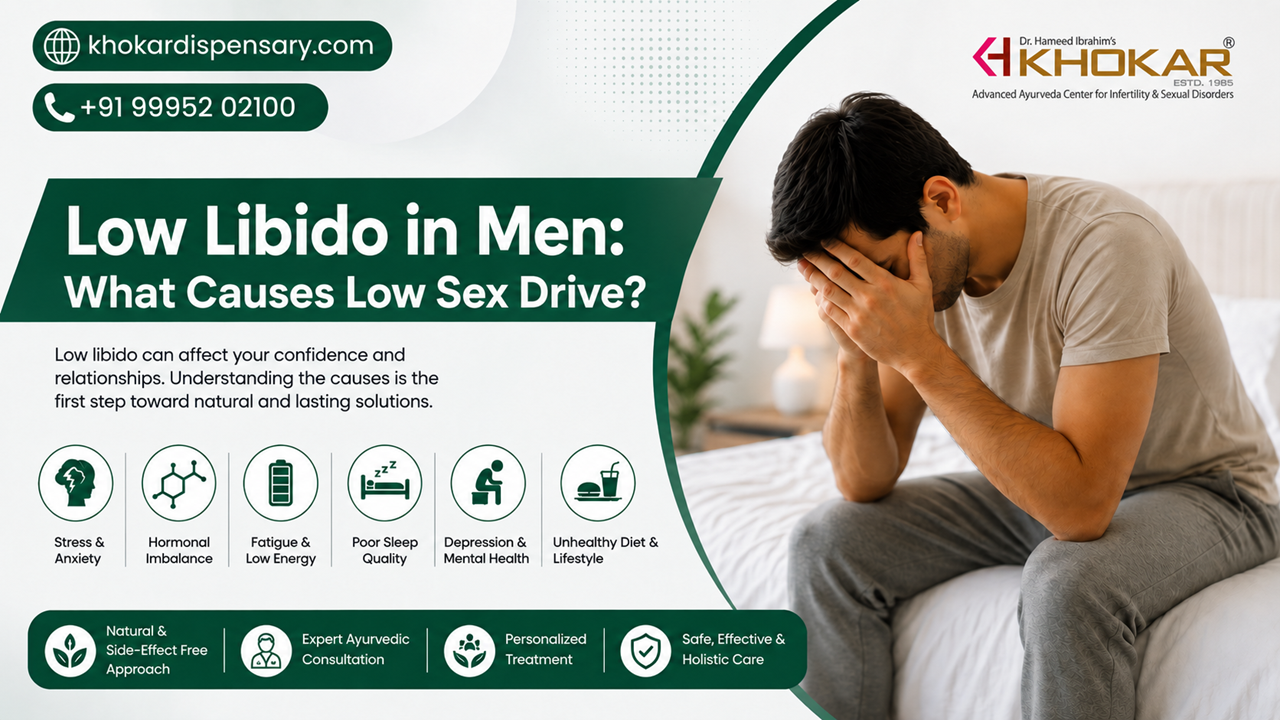
Low Libido in Men: What Causes Low Sex Drive?

Monday, 17 August 2026

Low Libido in Men: What Causes Low Sex Drive?

Low Libido in Men: What Causes Low Sex Drive?. A healthy sex drive can change from time to time. However, when a man notices a clear or lasting reduction in sexual desire, it can become frustrating and may affect confidence, relationships, and overall well-being. Low libido in men does not always mean there is one specific problem. Instead, several physical, emotional, hormonal, and lifestyle factors can work together.

In fact, low sex drive is relatively common. Cleveland Clinic notes that it can affect up to 1 in 5 men at some point. Also, sexual desire naturally varies throughout life, so there is no single “normal” level of libido for every man.

The important point is this: low libido is a symptom, not a disease by itself. Therefore, finding the underlying reason is often the first step toward improving sexual desire.

What Is Low Libido in Men?

Low libido, also called low sex drive, means having less interest in sexual activity than you normally have. Some men may notice fewer sexual thoughts, while others may feel little or no interest in intimacy.

For some, the change appears gradually. Others may experience a sudden drop in sexual desire. Either way, a noticeable change deserves attention, especially when it continues for weeks or affects your quality of life.

Low libido can occur alongside other sexual concerns, such as erectile dysfunction (ED) or ejaculation problems. However, these conditions are not exactly the same. A man can have normal erections but little sexual desire, or he can have strong desire but difficulty getting an erection.

What Causes Low Sex Drive in Men?

There is rarely one universal answer to “what causes low libido in men?” Instead, several possible causes should be considered.

1. Low Testosterone Levels

Testosterone and libido have a close relationship. Testosterone helps support sexual desire, and lower levels may contribute to reduced libido.

However, having low sexual desire does not automatically mean that testosterone is low. Other conditions can produce similar symptoms. Low testosterone may also occur because of problems involving the testicles, pituitary gland, or hypothalamus. Obesity, type 2 diabetes, certain medicines, sleep apnea, and some chronic health conditions may also be associated with low testosterone.

Men with low testosterone may experience:

  • Reduced sex drive
  • Fewer spontaneous or morning erections
  • Erectile difficulties
  • Fatigue
  • Reduced muscle strength
  • Mood changes
  • Increased body fat

Therefore, men should not start testosterone products simply because their libido has decreased. A healthcare professional can assess symptoms and, when appropriate, arrange blood testing.

2. Stress and Mental Health

Modern life can be demanding. Work pressure, financial concerns, family responsibilities, relationship tension, and poor work-life balance can all affect sexual interest.

Similarly, stress, anxiety, and depression can reduce libido. When the mind stays focused on worries, sexual thoughts may naturally move down the priority list. Depression can also cause fatigue, low motivation, and reduced interest in activities that previously felt enjoyable.

So, improving mental well-being can sometimes make a meaningful difference in sexual desire.

3. Relationship Difficulties

Sexual desire does not exist separately from emotional connection. Arguments, unresolved resentment, communication problems, lack of intimacy, or relationship dissatisfaction may reduce interest in sex.

Moreover, worrying about sexual performance can create a cycle. For example, a man may experience difficulty maintaining an erection once. He then becomes anxious about it happening again. That anxiety may reduce desire, making future intimacy feel stressful rather than enjoyable.

Open communication and, when needed, professional counselling can help address these concerns.

4. Erectile Dysfunction and Other Sexual Problems

Low libido and erectile dysfunction can sometimes occur together.

A man who repeatedly struggles to achieve or maintain an erection may start avoiding sexual situations because he expects another disappointing experience. Over time, this can reduce sexual confidence and desire.

Likewise, premature ejaculation, delayed ejaculation, or other sexual difficulties may create anxiety around intimacy. Therefore, treating the underlying sexual problem may also help restore interest.

5. Poor Sleep and Tiredness

Sleep has a bigger role in sexual health than many men realise. When you regularly sleep poorly, you may feel tired, irritable, and mentally drained.

Furthermore, obstructive sleep apnea has been associated with low testosterone and male hypogonadism. Treating the sleep problem may therefore improve related hormone and sexual symptoms in some men.

If you snore heavily, wake up gasping, experience daytime sleepiness, or frequently wake during the night, discuss these symptoms with a healthcare professional.

6. Medicines

Certain medicines can affect sexual desire. For example, some antidepressants, antipsychotic medicines, blood-pressure medicines, chemotherapy drugs, and opioid medicines may contribute to sexual side effects.

That does not mean you should stop a prescribed medicine on your own. Instead, speak with your doctor or pharmacist. They can decide whether the medicine could be contributing and whether another approach may be suitable.

7. Alcohol, Smoking and Substance Use

Lifestyle habits can influence sexual health as well.

Excessive alcohol consumption can reduce sexual interest and may also contribute to erectile problems. Smoking can affect testosterone and cardiovascular health, while recreational drug use can interfere with sexual function.

Consequently, reducing harmful substance use can support both sexual and general health.

8. Underlying Health Conditions

Sometimes low libido in men is an early clue that another health issue needs attention.

Conditions associated with reduced sexual desire can include:

Possible factorHow it may affect libido
Low testosteroneMay directly reduce sexual desire
DiabetesCan affect nerves, blood vessels and sexual function
Thyroid disordersCan influence energy, mood and sexual function
Heart diseaseMay affect overall sexual health and blood flow
Chronic kidney diseaseCan contribute to hormonal and physical changes
DepressionMay reduce motivation and sexual interest
Sleep apneaMay contribute to fatigue and hormonal changes
ObesityCan be associated with hormonal and metabolic changes

These conditions do not mean that every man with low libido has an underlying disease. However, persistent symptoms deserve proper evaluation.

Related Post:

» Ayurvedic Remedies For Sexual Wellness In Men

» What is Sexual Disorder & Ayurvedic Treatment for Sexual Problems in Kerala

» How to Overcome Sexual Performance Anxiety

» Does Stress Can Cause a Low Sexual Drive

» How depression affects Sexual life

Does Age Cause Low Libido?

Age and libido are connected, but getting older does not mean that a man should completely lose sexual desire.

Men may notice a gradual decrease in libido as they age. Still, many older men maintain sexual interest well into their 60s and 70s. A sudden or unusually significant change should therefore not simply be blamed on age.

Instead, doctors may consider hormone levels, medications, sleep, mental health, relationship factors, and other medical conditions.

Signs You Should Not Ignore

Occasional changes in sexual desire are usually not alarming. However, consider speaking with a healthcare professional if you notice:

  • A persistent drop in sexual desire
  • Sudden loss of libido
  • Low libido together with erectile dysfunction
  • Loss of morning erections
  • Persistent tiredness
  • Significant mood changes
  • Changes in body composition or muscle strength
  • Symptoms of thyroid or metabolic problems
  • Sexual difficulties that are affecting your relationship

A sudden change deserves particular attention because it may point toward an underlying medical, psychological, or medication-related cause.

How Is Low Libido Diagnosed?

There is no single test that can explain every case of low sex drive.

A healthcare professional will usually ask about your symptoms, lifestyle, relationships, sleep, medicines, and general health. Depending on your symptoms, they may recommend physical examination or laboratory tests.

If low testosterone is suspected, blood testing can help determine whether testosterone levels are actually low. Other tests may be appropriate depending on the individual's symptoms and medical history.

The goal is not simply to increase libido. Rather, the goal is to identify and address the reason behind the change.

Treatment for Low Libido in Men

Treatment depends entirely on the cause.

For example, if stress plays a major role, stress management, counselling, better sleep, and lifestyle changes may help. If a medicine contributes to low libido, a healthcare professional may review the treatment and consider alternatives.

Likewise, if a hormonal problem exists, appropriate medical treatment may improve symptoms. Men with an identified testosterone deficiency may be considered for testosterone treatment, but this requires proper medical assessment rather than self-medication.

Lifestyle Habits That May Support Sexual Health

Although lifestyle changes cannot solve every cause of low libido, they can support overall health.

Healthy habitPotential benefit
Regular physical activitySupports cardiovascular and metabolic health
Balanced dietHelps maintain healthy body weight and nutrition
Consistent sleepSupports energy and overall well-being
Stress managementMay reduce anxiety-related sexual problems
Limiting alcoholSupports sexual and general health
Avoiding smokingSupports cardiovascular health
Managing chronic conditionsMay improve overall sexual function

A realistic approach works better than trying to change everything overnight. Start with manageable improvements and build from there.

Why You Should Avoid Self-Medicating

The internet offers countless pills, supplements, and “testosterone boosters” that promise to increase male libido quickly. However, such products may not address the actual cause.

For example, low libido caused by depression, medication side effects, sleep apnea, or thyroid disease will not necessarily improve simply by taking a supplement. In addition, testosterone therapy is not appropriate for every man with low sexual desire.

Therefore, professional guidance is a safer and more sensible starting point.

When Should You Consult Khokar Dispensary?

If your low sex drive is persistent, sudden, or causing concern, do not feel embarrassed about discussing it. Sexual health is part of overall health, and healthcare professionals handle these concerns regularly.

At Khokar Dispensary, discussing your symptoms honestly can help determine whether further medical evaluation may be appropriate. Bring information about your current medicines, sleep pattern, lifestyle, other symptoms, and when you first noticed the change. These details can make the assessment more useful.

Conclusion

Low libido in men can feel personal, but there is no reason to suffer silently. Sexual desire can change because of hormones, stress, relationships, medicines, sleep, lifestyle, ageing, or underlying health conditions. Therefore, finding the real cause matters more than simply trying to increase sexual desire quickly.

Most importantly, do not assume that low libido is “just age” or automatically a sign of low testosterone. A proper assessment can identify possible contributing factors and guide appropriate treatment. If reduced sexual desire continues or concerns you, speaking openly with a qualified healthcare professional is a sensible first step.

Social:

https://in.pinterest.com/pin/350788258500203156/

https://x.com/khokarclinic/status/2089557169645715839

https://www.linkedin.com/feed/update/urn:li:share:7495323766546214913/

https://www.facebook.com/khokarspecialityclinic/posts/pfbid02V6FZNDQtZ3QzUWoKaTPT1eXPsEMxGeEZznFqR4bE9Zs7wW18M5yys2duwSeJWMaql

Is my lack of interest in sex normal?

Sunday, 25 January 2026

Is my lack of interest in sex normal?

Is my lack of interest in sex normal?. Many people quietly ask themselves, “Is my lack of interest in sex normal?” However, they often hesitate to talk about it. Because sexual desire feels personal, changes in libido can trigger worry, guilt, or confusion. Still, the truth is reassuring. A lack of interest in sex, also called low libido, is far more common than most people realize.

At Khokar Dispensary, we believe honest health conversations matter. Therefore, this article explains why sexual desire changes, when it is normal, and when medical advice may help. Moreover, we aim to reduce stigma and help you feel confident about your body and health.

Understanding Sexual Desire

Sexual desire does not remain constant throughout life. Instead, it shifts due to physical, emotional, and psychological influences. Some people naturally experience strong interest in sex, while others feel desire less often. Importantly, both experiences can be healthy.

Moreover, sexual health is not just about intercourse. It includes emotional closeness, self-image, energy levels, and overall wellbeing. Therefore, when one area feels off, desire may decrease temporarily or long-term.

Is Lack of Interest in Sex Normal?

Yes, lack of interest in sex is normal for many people at different stages of life. For example, stress, illness, or emotional strain can reduce libido. Additionally, hormonal changes or medications often influence sexual desire.

However, what matters most is how you feel about it. If low libido does not bother you, it may not require treatment. On the other hand, if it causes distress or affects relationships, support can help.

Common Causes of Low Libido

1. Stress and Mental Health

Modern life creates constant pressure. As a result, stress and anxiety commonly reduce sexual desire. When the brain feels overwhelmed, the body prioritizes survival rather than pleasure.

Furthermore, depression often lowers energy, motivation, and interest in intimacy. Therefore, addressing mental health often improves libido naturally.

2. Hormonal Changes

Hormones strongly influence sexual desire. For example, low testosterone in men and estrogen imbalance in women may reduce interest in sex. Additionally, menopause, pregnancy, and breastfeeding often cause hormonal shifts.

However, hormonal changes do not mean something is “wrong.” Instead, they reflect normal life transitions.

3. Physical Health Conditions

Chronic illnesses like diabetes, heart disease, and thyroid disorders may affect blood flow, nerve function, or energy levels. Consequently, sexual desire may decline.

Moreover, pain during intercourse or fatigue can discourage intimacy. Therefore, treating the underlying condition often restores desire.

4. Medications and Treatments

Many prescription medicines influence libido. For instance, antidepressants, blood pressure drugs, and hormonal contraceptives may reduce sexual interest.

Nevertheless, stopping medication without guidance is risky. Instead, healthcare providers can suggest safer alternatives.

5. Relationship and Emotional Factors

Emotional connection matters deeply. Therefore, unresolved conflict, poor communication, or lack of trust may reduce desire. Additionally, routine and boredom can also affect long-term relationships.

However, open communication often improves intimacy more than expected.

Psychological and Emotional Influences

Your thoughts and feelings shape sexual desire more than many realize. For example, low self-esteem, body image concerns, or past trauma may reduce comfort with intimacy.

Meanwhile, cultural beliefs or guilt around sex may subconsciously suppress desire. Therefore, counseling or therapy can help uncover hidden emotional barriers.

Related Post:

» Ayurvedic Remedies For Sexual Wellness In Men

» What is Sexual Disorder & Ayurvedic Treatment for Sexual Problems in Kerala

» How to Overcome Sexual Performance Anxiety

» Does Stress Can Cause a Low Sexual Drive

» How depression affects Sexual life

When Should You Be Concerned?

Although low libido is common, some signs suggest professional support may help:

  • Sudden, unexplained loss of desire

  • Ongoing distress or frustration

  • Relationship difficulties linked to intimacy

  • Pain or discomfort during sex

  • Other symptoms like fatigue or mood changes

In such cases, medical advice ensures peace of mind and proper care.

How Khokar Dispensary Can Help

At Khokar Dispensary, we offer compassionate, confidential care for sexual health concerns. Our healthcare professionals assess physical, emotional, and lifestyle factors together.

Moreover, we focus on personalized solutions rather than quick fixes. Whether the cause is hormonal, psychological, or medication-related, proper guidance makes a difference.

Practical Ways to Improve Sexual Desire

Improve Lifestyle Habits

Firstly, regular exercise boosts circulation and mood. Secondly, balanced nutrition supports hormone production. Additionally, quality sleep restores energy and mental clarity.

As a result, healthy routines often improve libido naturally.

Reduce Stress Actively

Mindfulness, meditation, or even daily walks reduce stress hormones. Meanwhile, relaxation improves emotional connection and desire.

Therefore, stress management supports both mental and sexual wellbeing.

Communicate Openly

Talking honestly with your partner reduces pressure and misunderstanding. Furthermore, emotional safety encourages intimacy without expectations.

In fact, communication alone often improves desire.

Seek Medical Advice Early

Early support prevents unnecessary worry. Additionally, timely treatment improves long-term outcomes. Therefore, professional guidance should feel empowering, not embarrassing.

Breaking the Myth: Libido Is Not a Performance

Society often sets unrealistic expectations about sexual desire. However, libido is not a competition or obligation. Instead, it reflects physical health, emotional balance, and personal comfort.

Therefore, comparing yourself to others creates unnecessary stress. Your experience is valid.

Conclusion

So, is my lack of interest in sex normal? In most cases, yes. Sexual desire changes with life, health, and emotions. However, you do not need to struggle in silence.

At Khokar Dispensary, we encourage open conversations and informed choices. Because sexual health is part of overall health, caring for it improves confidence, relationships, and wellbeing.

Social:

https://in.pinterest.com/pin/350788258498722826/

https://x.com/khokarclinic/status/2015634779564310921

https://www.linkedin.com/feed/update/urn:li:share:7421401965332574208/

https://www.facebook.com/khokarspecialityclinic/posts/pfbid02cL3se85aw1upVJv5ZAvVBHuaY9EMqAzxjQfM2wgoSaHu7FBNhSwtTtznq7GYAu1dl

Overcoming Low Sex Drive in Men with Ayurvedic Lifestyle Practices

Wednesday, 18 December 2024


Enhancing Male Sexual Performance Through Ayurveda: Low sex drive is a common concern among men and can affect relationships and overall well-being. Factors like stress, unhealthy diets, lack of exercise, hormonal imbalances, and emotional struggles often contribute to this condition. While modern medicine offers various treatments, Ayurveda, an ancient system of natural healing, provides holistic solutions to address low libido by focusing on restoring balance in the mind and body.

Understanding Low Sex Drive in Ayurveda: In Ayurveda, low sex drive is often linked to imbalances in the doshas—Vata, Pitta, and Kapha. These doshas regulate different functions of the body, and their imbalance can affect physical and mental health, including sexual vitality. According to Ayurvedic principles, low libido is associated with the depletion of Ojas, the vital energy responsible for strength, immunity, and reproductive health.

Stress Management and Relaxation Techniques: Stress is one of the primary causes of low libido. Ayurvedic practices like meditation, Pranayama (breathing exercises), and Abhyanga (self-massage with herbal oils) help calm the mind and reduce stress. When stress levels decrease, the body’s natural energy and desire improve.

Regular Exercise and Yoga: Physical activity plays a key role in improving libido. Ayurveda recommends yoga as a gentle yet effective way to strengthen the body and improve blood flow to reproductive organs. Poses like Bhujangasana (cobra pose), Dhanurasana (bow pose), and Vajrasana (thunderbolt pose) are particularly beneficial for enhancing sexual health.

Ayurvedic lifestyle practices provide a natural and holistic way to overcome low sex drive in men. By incorporating herbal remedies, following a nutrient-rich diet, managing stress, practicing yoga, and ensuring adequate sleep, men can restore their energy and improve sexual health. Ayurveda not only addresses the symptoms but also focuses on the root cause of low libido, promoting overall well-being and vitality. With consistency and commitment, these practices can lead to a fulfilling and healthy life.

Social:

https://in.pinterest.com/pin/350788258495364619/

https://x.com/khokarclinic/status/1867104754389880846/

https://www.linkedin.com/feed/update/urn:li:activity:7272895043810521089/

https://www.facebook.com/khokarspecialityclinic/posts/pfbid0j51dMfJa1mcqJrtLZhZEBPJDccxLa6DWsipv16kE5gbQVr2HaYEj6KqD15ATdUG7l

Exploring Ayurvedic Treatments for Low Libido in Men

Monday, 25 November 2024


Ayurvedic Approaches to Enhancing Libido in Men: Low libido, or a reduced desire for sexual activity, is a common issue affecting many men worldwide. It can be caused by various factors, including stress, hormonal imbalances, poor lifestyle choices, or underlying health conditions. While modern medicine often treats low libido with medications or hormone therapy, many men are turning to natural alternatives like Ayurveda for a more holistic approach. Ayurveda, the ancient system of healing from India, focuses on balancing the body’s energies to improve overall health, including sexual well-being. In this article, we will explore how Ayurvedic treatments can help improve low libido in men naturally.

Understanding Low Libido in Ayurveda

In Ayurveda, sexual health is closely linked to the balance of the body’s three doshas: Vata, Pitta, and Kapha. These doshas govern various bodily functions, and an imbalance in any of them can affect libido. Low libido is often associated with an imbalance in Vata, which controls energy and vitality. Pitta governs metabolism and hormones, while Kapha influences the body’s structure and lubrication.

Ayurvedic Herbs for Low Libido in Men

Ayurveda offers a variety of herbs that can help improve sexual health by restoring balance and boosting energy. These herbs work by enhancing circulation, balancing hormones, and improving overall vitality. 

Ashwagandha: One of the most well-known Ayurvedic herbs, Ashwagandha, is often called the "Indian ginseng." It is a powerful adaptogen that helps the body manage stress and anxiety—common factors that contribute to low libido. By reducing stress, Ashwagandha can improve testosterone levels and enhance sexual energy and performance. It also helps restore overall vitality, making it an effective remedy for men experiencing low libido.

Tribulus Terrestris: Known for its ability to improve sexual function, Tribulus Terrestris is a powerful herb used in Ayurveda to enhance libido. It has been shown to boost testosterone levels, improve erectile function, and increase sexual desire. This herb is commonly used to treat both low libido and erectile dysfunction in men.

Low libido in men can be a challenging issue, but Ayurveda offers a natural, holistic approach to restoring sexual vitality. By using Ayurvedic herbs like Ashwagandha, Shatavari, and Tribulus Terrestris, along with dietary adjustments and lifestyle practices, men can improve their libido and enhance their overall well-being. Ayurveda focuses on balancing the body's natural energies, which can lead to improved physical health, mental clarity, and increased sexual desire. If you’re struggling with low libido, consider consulting an Ayurvedic practitioner for personalized advice and treatments that can help you regain your sexual vitality naturally.

Social:

https://in.pinterest.com/pin/350788258495241903/

https://x.com/khokarclinic/status/1861668586026344706/

https://www.linkedin.com/feed/update/urn:li:activity:7267434330929393665/

https://www.facebook.com/khokarspecialityclinic/posts/pfbid02frUFvLtEJ7PAE9kctueBFF9Qh6xBy9iWPzDmCNqRGwpgDdfi9TExFhQcpexg5DgUl

What is the most Common Male Sexual Problems?

Wednesday, 24 July 2024


Understanding Frequent Male Sexual Health Concerns: Understanding male sexual problems is crucial for maintaining overall health and well-being. Many men face sexual issues at some point in their lives. Addressing these concerns can lead to better health, improved relationships, and increased confidence. Here, we will explore the most common male sexual problems and discuss ways to manage them effectively.

Erectile Dysfunction (ED): Erectile dysfunction, often abbreviated as ED, is one of the most common sexual problems men face. ED is characterized by the inability to achieve or maintain an erection firm enough for sexual intercourse. This issue can result from various factors, including physical conditions like diabetes, cardiovascular disease, or hormonal imbalances. Psychological factors such as stress, anxiety, or depression can also contribute to ED.

Premature Ejaculation (PE): Premature ejaculation occurs when a man ejaculates sooner than he or his partner would like during sexual activity. It is a prevalent issue that can affect a man’s self-esteem and satisfaction. Premature ejaculation can be caused by anxiety, sensitivity, or even relationship issues. Techniques like behavioral therapy, medications, and sexual exercises can help manage this condition.

Low Libido: Low libido, or reduced sexual desire, is another common concern among men. This problem can arise from various factors, including hormonal imbalances, psychological issues, or lifestyle factors such as poor diet and lack of exercise. Addressing underlying causes like stress or depression can often help improve libido. In some cases, hormone therapy may be recommended by healthcare providers.

Delayed Ejaculation: Delayed ejaculation is the difficulty in reaching ejaculation even after prolonged sexual activity. This issue can be frustrating and lead to relationship problems. Causes of delayed ejaculation may include psychological factors, certain medications, or neurological conditions. Treatment often involves addressing any psychological issues and possibly adjusting medications.

Peyronie’s Disease: Peyronie’s disease is a condition where scar tissue forms inside the penis, causing it to bend or curve during erection. This can lead to painful erections and difficulty with sexual intercourse. While the exact cause of Peyronie’s disease is not always clear, it is thought to result from trauma or injury to the penis. Treatment options range from medications to surgical interventions, depending on the severity of the condition.

Social:

https://in.pinterest.com/pin/350788258494213424/

https://x.com/khokarclinic/status/1816346443285962914

https://www.linkedin.com/feed/update/urn:li:activity:7222140438860742656/

https://www.facebook.com/khokarspecialityclinic/posts/pfbid05taYP9sAqKxhkvbri89MWVXak7RyP5C7BC97VvvvDs6SLGcxiE2nXqE7RYkX8H9Tl