Treatment Center for Infertility and Sexual Disorders

Get Traetmant and Information on Erectile Dysfunction Premature Ejaculation Treatment Male Infertility treatment Female infertility Treatment STD Treatment Genital Herpes Treatment Penile Enhancement
Showing posts with label MensWellness. Show all posts

Ayurvedic Support for Reduced Libido and Vitality

Thursday, 3 September 2026

Ayurvedic Support for Reduced Libido and Vitality

Ayurvedic Support for Reduced Libido and Vitality. Reduced libido and low vitality can affect confidence, relationships, mood, and everyday life. Sometimes, the change happens slowly. A person may notice less interest in intimacy, lower energy, poor motivation, or a general feeling of tiredness. However, these concerns do not always point to one single cause.

Stress, lack of sleep, an unhealthy routine, emotional pressure, ageing, poor nutrition, and certain health conditions can all influence sexual wellbeing. Therefore, it is important to look at the whole person rather than focusing only on libido.

Ayurveda takes a holistic approach to wellbeing. Traditionally, it connects healthy sexual function with overall strength, balanced daily habits, good digestion, restful sleep, and emotional stability. As a result, Ayurvedic wellness practices may complement a healthy lifestyle for people experiencing reduced libido and vitality.

At Khokar Dispensary, Ayurvedic care can be approached with attention to individual needs, lifestyle, diet, and overall wellbeing.

What Does Reduced Libido Mean?

Reduced libido means having less interest in sexual activity than usual. It can happen to both men and women, and the experience differs from person to person.

For some people, the change lasts only a short time. For others, low sexual desire continues for months and starts affecting their quality of life.

Common signs may include:

  • Less interest in intimacy
  • Reduced physical energy
  • Persistent tiredness
  • Difficulty relaxing
  • Increased stress
  • Poor sleep quality
  • Low motivation
  • Reduced confidence
  • Feeling mentally exhausted

Importantly, occasional changes in sexual desire are normal. However, persistent or sudden changes deserve proper attention.

How Ayurveda Views Libido and Vitality

Traditional Ayurveda considers sexual wellbeing as part of overall health. Rather than treating libido as an isolated issue, Ayurvedic principles focus on maintaining balance within the body and mind.

The traditional concept of Ojas is often associated with strength, resilience, nourishment, and vitality. In Ayurvedic thinking, healthy digestion, sufficient rest, balanced nutrition, and a suitable lifestyle support overall vitality.

Similarly, Vajikarana, one of the traditional Ayurvedic approaches, relates to reproductive and sexual wellbeing. Traditionally, this approach aims to support strength, nourishment, confidence, and healthy sexual function.

However, Ayurvedic care should not be viewed as an instant solution. Instead, it can be part of a broader wellness plan that considers everyday habits and individual requirements.

Common Reasons Behind Low Libido and Vitality

Before choosing any wellness approach, it helps to understand what may be contributing to the problem.

Possible FactorHow It May Affect Wellbeing
Chronic stressCan reduce relaxation and sexual interest
Poor sleepMay contribute to tiredness and low motivation
Unbalanced dietCan affect energy and general nourishment
Sedentary lifestyleMay reduce physical fitness and stamina
Emotional concernsCan influence desire and confidence
Relationship difficultiesMay affect intimacy and interest
Age-related changesHormonal and physical changes may occur
Certain medicinesSome medicines can influence sexual desire
Underlying health issuesConditions such as diabetes or thyroid problems may contribute

Therefore, people should not assume that reduced libido is simply a result of ageing or weakness. In some cases, an underlying health concern needs medical evaluation.

Ayurvedic Support for Reduced Libido

Ayurvedic wellness focuses on creating healthier conditions for the body and mind. The exact approach can vary depending on the individual's constitution, lifestyle, age, and concerns.

1. Personalised Ayurvedic Assessment

A personalised approach is often more useful than following a general remedy found online. An Ayurvedic practitioner may consider digestion, sleep, stress, diet, daily routine, physical activity, and other aspects of wellbeing.

This broader assessment can help identify lifestyle patterns that may be affecting vitality.

2. Better Nutrition for Natural Vitality

Food plays an important role in maintaining everyday energy. A balanced diet containing vegetables, fruits, whole grains, protein sources, healthy fats, and adequate fluids can support general wellbeing.

Traditional Ayurvedic nutrition may also emphasise freshly prepared meals and suitable foods according to individual needs.

For example, nutrient-rich foods such as nuts, seeds, dates, milk or suitable alternatives, fruits, vegetables, and whole grains can form part of a balanced diet.

Nevertheless, no single food can guarantee an increase in libido.

3. Managing Everyday Stress

Modern routines can leave very little time for rest. Work pressure, financial concerns, family responsibilities, and constant screen use can gradually affect sleep and relaxation.

Therefore, stress management deserves attention when addressing low libido and vitality.

Simple practices may include:

  • Breathing exercises
  • Meditation
  • Gentle yoga
  • Walking
  • Relaxing before bedtime
  • Spending less time on screens at night
  • Maintaining regular sleep hours

Even small changes can make a routine easier to maintain.

4. Supporting Healthy Sleep

Sleep is closely connected with energy, mood, concentration, and overall wellbeing. Unfortunately, many people ignore poor sleep while looking for solutions to low energy.

Try maintaining a consistent bedtime and wake-up time. Also, avoid heavy meals and excessive screen use close to bedtime.

A calmer evening routine can make it easier for the body and mind to wind down.

5. Regular Physical Activity

Exercise does not need to mean spending hours in a gym. Brisk walking, yoga, stretching, swimming, cycling, or strength exercises can all support general physical fitness.

Furthermore, regular movement may improve mood and help people feel more energetic during the day.

The key is consistency. A simple routine followed regularly is often more practical than an intense programme that lasts only a few days.

Related Post:

» Ayurvedic Remedies For Sexual Wellness In Men

» What is Sexual Disorder & Ayurvedic Treatment for Sexual Problems in Kerala

» How to Overcome Sexual Performance Anxiety

» Does Stress Can Cause a Low Sexual Drive

» How depression affects Sexual life

Ayurvedic Herbs and Traditional Preparations

Ayurvedic practice traditionally uses various herbs and preparations for supporting vitality and reproductive wellbeing. Ashwagandha, Shatavari, and other traditional ingredients are commonly discussed in Ayurvedic wellness.

However, natural does not automatically mean suitable for everyone.

The right herb, preparation, dosage, and duration can depend on individual circumstances. Some herbs may also interact with medicines or may not be appropriate for people with certain health conditions.

For this reason, people should seek guidance from a qualified Ayurvedic professional before starting herbal preparations, especially when taking regular medication.

Lifestyle Changes That Can Support Ayurvedic Wellness

Ayurvedic support works best when daily habits also receive attention. Consider the following practical comparison:

HabitLess Helpful PatternHealthier Direction
SleepIrregular bedtimeConsistent sleep schedule
FoodFrequent processed mealsBalanced, nourishing meals
ExerciseLong periods without movementRegular moderate activity
StressIgnoring ongoing pressureRelaxation and stress-management practices
HydrationVery little waterAdequate daily fluids
Screen useExcessive late-night useReduced screen time before bed
RoutineConstantly changing scheduleMore regular daily rhythm

These changes may look basic. Yet, when followed consistently, they can support better overall wellbeing.

When Should You Seek Professional Help?

Low libido can sometimes indicate a health issue that requires attention. If the change appears suddenly, continues for a long period, or causes significant distress, consult a qualified healthcare professional.

It is particularly important to seek medical advice when low sexual desire occurs alongside symptoms such as persistent fatigue, unexplained weight changes, erectile difficulties, menstrual changes, pain, mood changes, or other unusual symptoms.

An Ayurvedic consultation can complement healthcare, but it should not replace appropriate diagnosis or treatment for an underlying medical condition.

Why Choose Personalised Ayurvedic Support?

Every person has different habits, nutritional needs, stress levels, sleep patterns, and health concerns. Therefore, a one-size-fits-all approach may not provide the right direction.

At Khokar Dispensary, personalised Ayurvedic guidance can focus on practical lifestyle improvements alongside traditional wellness principles.

The goal is not simply to chase a quick increase in sexual desire. Instead, the wider aim is to encourage better energy, healthier routines, physical wellbeing, and improved confidence.

Key Benefits of a Holistic Approach

A comprehensive wellness plan may support:

  • Healthy energy levels
  • Better lifestyle balance
  • Improved sleep habits
  • Stress management
  • Better nutritional choices
  • Physical fitness
  • Emotional wellbeing
  • Healthy sexual wellness

Results can vary considerably from one person to another. Patience and consistency are therefore important.

Conclusion

Reduced libido and low vitality can be frustrating, but they are not something people always need to ignore or simply accept. Several lifestyle, emotional, nutritional, and health-related factors can influence sexual wellbeing.

Ayurvedic support for reduced libido and vitality takes a broader view by connecting sexual wellness with nutrition, sleep, stress management, physical activity, and overall balance.

Rather than relying on quick fixes, focus on sustainable habits and professional guidance. With the right approach, Ayurvedic wellness practices may become a useful part of a balanced lifestyle.

For persistent or unexplained symptoms, however, professional medical evaluation remains important. A combined and responsible approach can help you make better decisions about your long-term wellbeing.

Social:

https://in.pinterest.com/pin/350788258500323191/

https://x.com/khokarclinic/status/2095719558502105328

https://www.linkedin.com/feed/update/urn:li:share:7501486823987212290/

https://www.facebook.com/khokarspecialityclinic/posts/pfbid0266hNwr4EYVmxYr5tQAWvoWqgNSdxhMFwhMVKAUr1pExYn3cXtMjAt5Lw8pa72bbNl

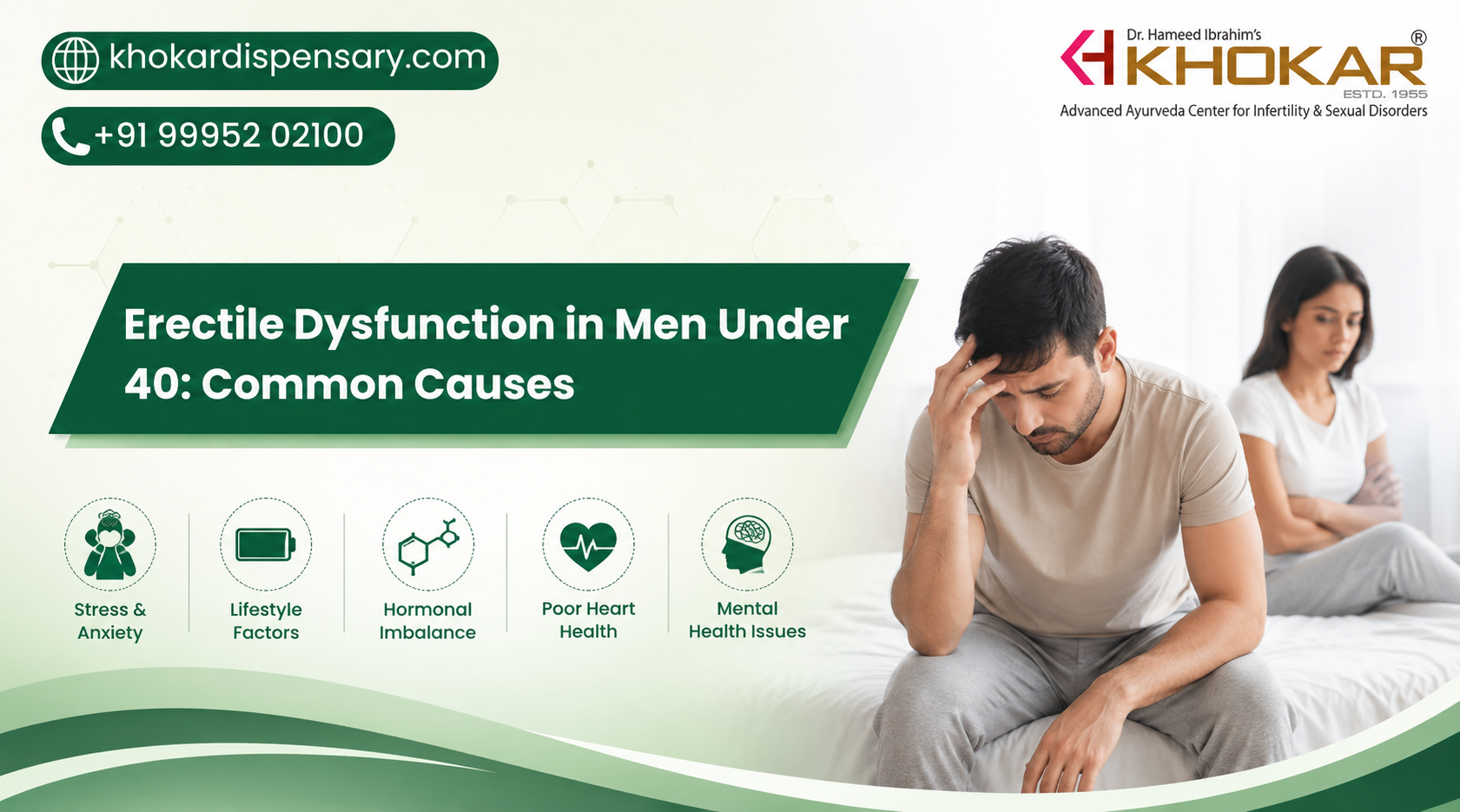
Erectile Dysfunction in Men Under 40: Common Causes

Sunday, 12 July 2026

Erectile Dysfunction in Men Under 40: Common Causes

Erectile Dysfunction in Men Under 40: Common Causes. Many people believe that erectile dysfunction in men under 40 is uncommon. In reality, it affects a growing number of younger men across the world. Although aging remains one of the biggest risk factors for erectile dysfunction (ED), lifestyle changes, stress, poor sleep, and underlying medical conditions have made ED increasingly common among younger adults too.

The good news is that ED at a younger age is often treatable. Once the root cause is identified, many men notice significant improvement through healthy lifestyle changes, medical care, or natural Ayurvedic support.

At Khokar Dispensary, we understand that discussing sexual health can feel uncomfortable. However, seeking help early can improve confidence, relationships, and overall well-being.

What Is Erectile Dysfunction?

Erectile dysfunction (ED) refers to the inability to achieve or maintain an erection firm enough for satisfactory sexual activity. Experiencing occasional erection problems is normal. However, when the issue continues for several weeks or months, professional evaluation becomes important.

Common symptoms include:

  • Difficulty getting an erection
  • Trouble maintaining an erection
  • Reduced sexual desire
  • Weak erections during intimacy
  • Anxiety related to sexual performance

Many younger men ignore these symptoms, hoping they will disappear naturally. Unfortunately, delaying treatment may allow the underlying cause to worsen.

How Common Is ED in Men Under 40?

Several international studies suggest that approximately 8–15% of men under 40 experience some degree of erectile dysfunction. The numbers continue to rise because of modern lifestyle habits.

Estimated prevalence by age

Age GroupEstimated ED Prevalence
20–29 years8–10%
30–39 years11–15%
40–49 years20–30%
50+ years40% or higher

These figures vary depending on population and health conditions.

Common Causes of Erectile Dysfunction in Men Under 40

Several factors can contribute to ED. In many cases, more than one cause exists at the same time.

1. Chronic Stress

Stress is one of the leading causes of ED among younger men.

Daily pressure from work, financial responsibilities, family expectations, and career competition can interfere with hormone balance and blood circulation.

Moreover, stress increases cortisol levels, which may reduce sexual performance.

2. Anxiety and Performance Pressure

Many young men develop anxiety after one unsuccessful sexual experience.

Consequently, they begin worrying before every intimate encounter. This cycle often leads to repeated erection difficulties.

Performance anxiety may become more severe if:

  • Relationship problems exist
  • Confidence is low
  • Unrealistic expectations are created through online content

3. Depression

Mental health directly affects sexual health.

Depression can reduce libido, decrease motivation, and interfere with brain signals responsible for erections.

Additionally, certain antidepressant medications may contribute to erectile problems.

4. Poor Sleep

Sleep is essential for healthy testosterone production.

Men who regularly sleep less than six hours may experience:

  • Low testosterone
  • Fatigue
  • Poor concentration
  • Reduced sexual desire

Improving sleep quality often supports better hormonal balance.

5. Obesity

Excess body weight affects blood circulation and hormone production.

Furthermore, obesity increases the risk of diabetes, high blood pressure, and heart disease—all of which can contribute to erectile dysfunction.

6. Diabetes

High blood sugar damages nerves and blood vessels.

Even younger men with uncontrolled diabetes may experience erectile problems much earlier than expected.

Therefore, maintaining stable blood sugar remains extremely important.

7. Smoking

Smoking narrows blood vessels and reduces blood flow throughout the body.

Since erections depend on healthy circulation, smokers have a much higher risk of ED than non-smokers.

8. Alcohol Consumption

Occasional drinking usually causes no long-term problems.

However, excessive alcohol intake can reduce testosterone, damage nerves, and impair sexual performance.

9. Lack of Physical Activity

A sedentary lifestyle reduces cardiovascular health.

Without proper blood circulation, achieving a firm erection becomes more difficult.

Regular exercise supports both heart health and sexual function.

10. Hormonal Imbalance

Low testosterone is less common in younger men but still possible.

Symptoms may include:

  • Low energy
  • Poor muscle strength
  • Reduced libido
  • Mood changes
  • Erectile dysfunction

Blood tests help determine hormone levels.

11. Side Effects of Medications

Certain medicines may interfere with sexual performance.

Examples include:

  • Some antidepressants
  • Blood pressure medications
  • Anti-anxiety drugs
  • Hormonal treatments

Never stop medication without consulting your doctor.

12. Cardiovascular Problems

ED sometimes appears before heart disease symptoms.

Because penile arteries are smaller than heart arteries, reduced blood flow may become noticeable earlier.

This is why persistent ED deserves medical attention.

Related Post:

» Ayurvedic Remedies For Sexual Wellness In Men

» What is Sexual Disorder & Ayurvedic Treatment for Sexual Problems in Kerala

» How to Overcome Sexual Performance Anxiety

» Does Stress Can Cause a Low Sexual Drive

» How depression affects Sexual life

Lifestyle Factors That Increase Risk

Lifestyle HabitPossible Effect on Erectile Function
SmokingReduced blood flow
Heavy alcohol useHormonal imbalance
Lack of exercisePoor circulation
Processed dietIncreased obesity risk
Chronic stressPerformance anxiety
Poor sleepLow testosterone

Warning Signs You Should Not Ignore

Seek professional evaluation if you notice:

  • Erections becoming weaker over time
  • Loss of morning erections
  • Reduced sexual desire
  • Difficulty during every sexual encounter
  • Symptoms lasting longer than three months

Early diagnosis often leads to better treatment outcomes.

Diagnosis of Erectile Dysfunction

Doctors usually begin with a detailed medical history.

Further evaluation may include:

  • Physical examination
  • Blood sugar testing
  • Testosterone levels
  • Blood pressure measurement
  • Lipid profile
  • Psychological assessment when needed

The goal is to identify the real cause instead of only treating symptoms.

Treatment Options

Treatment depends on the underlying reason.

Possible approaches include:

Lifestyle improvement

  • Weight management
  • Better sleep habits
  • Regular exercise
  • Stress reduction
  • Smoking cessation

Medical treatment

Doctors may prescribe medications when appropriate.

However, treatment should always follow proper evaluation.

Psychological counseling

Counseling can help men experiencing anxiety, depression, or relationship stress.

Ayurvedic Support

Many individuals also explore Ayurvedic treatment for erectile dysfunction as part of a holistic wellness plan. Traditional Ayurveda emphasizes improving overall vitality through personalized herbal formulations, balanced nutrition, stress management, and healthy daily routines. These approaches aim to support general reproductive health and well-being rather than provide an instant cure. At Khokar Dispensary, treatment plans are tailored after assessing each person's health status and needs.

Healthy Habits That Support Better Sexual Health

Small changes often produce meaningful improvements over time.

Daily habits worth adopting

  • Exercise for at least 30 minutes
  • Maintain healthy body weight
  • Eat more fruits and vegetables
  • Reduce processed foods
  • Sleep 7–8 hours every night
  • Practice meditation
  • Limit alcohol
  • Quit smoking
  • Stay hydrated
  • Schedule regular health check-ups

Consistency matters more than perfection.

Myths vs Facts

MythFact
Only older men develop ED.Younger men can also experience ED.
ED always means infertility.Erectile dysfunction and fertility are different conditions.
ED is always psychological.Physical and psychological causes often coexist.
Herbal products work instantly.Genuine treatment depends on identifying the underlying cause.
ED always stays permanent.Many cases improve with proper treatment and healthy habits.

Why Early Treatment Matters

Ignoring ED may affect:

  • Self-confidence
  • Relationships
  • Mental health
  • Quality of life

Additionally, ED sometimes signals diabetes, heart disease, or hormonal disorders.

Therefore, seeking timely evaluation protects both sexual and overall health.

Why Choose Khokar Dispensary?

At Khokar Dispensary, we believe every patient deserves compassionate and confidential care. Our approach focuses on understanding the underlying cause rather than simply masking symptoms. We combine traditional Ayurvedic principles with lifestyle guidance to help support long-term wellness. Every treatment plan is personalized because no two individuals have exactly the same health profile. While results vary from person to person, early consultation and consistent care often lead to better outcomes.

Conclusion

Erectile dysfunction in men under 40 is more common than many people realize. Fortunately, most cases improve when the underlying cause is properly identified and managed. Whether the issue relates to stress, poor lifestyle habits, hormonal imbalance, or an existing medical condition, timely attention can make a significant difference.

Instead of feeling embarrassed or delaying treatment, speak with a qualified healthcare professional. A proactive approach today can improve not only sexual health but also overall physical and emotional well-being for years to come.

Social:

https://in.pinterest.com/pin/350788258499948595/

https://x.com/khokarclinic/status/2076509192618381555

https://www.linkedin.com/feed/update/urn:li:share:7482275921320624129/

https://www.facebook.com/khokarspecialityclinic/posts/pfbid02vebw7T6uLACu3mGeRsJbAphGE3uYYNs1h2xJVFRKi6pBpkpxfF2UzpJyEh4YVWMl

Maximum how many times night fall is Normal in a month?

Tuesday, 17 February 2026

Maximum how many times night fall is Normal in a month?

Maximum how many times night fall is Normal in a month?. Night fall, medically known as nocturnal emission, is a natural physiological process that occurs mainly in males, especially during adolescence and early adulthood. It refers to the involuntary release of semen during sleep, commonly accompanied by erotic dreams. Despite being a normal body function, many young men worry about its frequency and wonder: “Maximum how many times night fall is normal in a month?”

At Khokar Dispensary, we receive this question frequently. Understanding the normal range and what influences night fall can help reduce anxiety and promote better sexual health.

Understanding Night Fall

Night fall is a way for the male body to maintain hormonal balance and reproductive health. It is a natural response to:

  • Excess semen accumulation

  • Hormonal fluctuations

  • Physical and emotional stress

Adolescents may experience night falls more frequently due to surges in testosterone, while adult men may notice fewer episodes. Night fall is not a sign of illness unless it is excessive or affects daily life.

Keywords: nocturnal emission, male reproductive health, night fall frequency

How Often is Night Fall Normal?

Medical experts generally consider night fall normal 2 to 8 times per month for most healthy men. However, frequency varies depending on several factors:

  1. Age: Teenagers and young adults experience higher frequency due to rapid hormonal changes.

  2. Diet: Spicy, oily, and junk food may increase semen production and trigger night falls.

  3. Stress and Anxiety: Mental tension can influence the body’s sexual responses.

  4. Sexual Activity: Men who engage in regular sexual activity may have fewer nocturnal emissions.

  5. Sleep Patterns: Irregular sleep cycles may lead to more frequent night falls.

Hence, some men may experience night fall only once or twice a month, while others may have 8 or more episodes. Both scenarios are typically considered normal if they do not disrupt daily life.

Causes of Frequent Night Fall

While occasional night fall is normal, some men may experience it more frequently, sometimes several times per week. This can happen due to:

  • Excessive sexual stimulation (through thoughts, dreams, or media)

  • Hormonal imbalance (high testosterone levels)

  • Poor lifestyle habits such as lack of exercise, unhealthy diet, or excessive late-night screen time

  • Psychological factors like anxiety, stress, or guilt

Frequent night fall can also indicate an underlying condition, such as premature ejaculation tendency or sexual health imbalance, in rare cases.

When Night Fall Becomes a Concern

Night fall becomes a health concern if it:

  • Happens excessively (e.g., more than 12–15 times a month)

  • Causes fatigue, weakness, or low energy

  • Interferes with daily work, studies, or concentration

  • Is accompanied by pain, burning, or unusual discharge

In such cases, it is advisable to consult a qualified medical practitioner at Khokar Dispensary for evaluation.

Lifestyle Changes to Control Night Fall

Although night fall is natural, lifestyle adjustments can help maintain a healthy frequency:

1. Balanced Diet

Eating fresh fruits, vegetables, and proteins while avoiding oily, spicy, or fast food helps regulate reproductive health.

2. Regular Exercise

Physical activity reduces stress and improves hormonal balance, which may reduce excessive nocturnal emissions.

3. Adequate Sleep

Maintaining regular sleep patterns can stabilise night fall frequency.

4. Avoid Overstimulation

Limiting exposure to sexual content reduces psychological triggers for night fall.

5. Yoga and Meditation

Stress management techniques, including meditation and yoga, help calm the mind and prevent excessive nocturnal emissions.

6. Hydration

Drinking enough water supports overall bodily functions and prevents semen buildup.

Related Post:

» Ayurvedic Remedies For Sexual Wellness In Men

» What is Sexual Disorder & Ayurvedic Treatment for Sexual Problems in Kerala

» How to Overcome Sexual Performance Anxiety

» Does Stress Can Cause a Low Sexual Drive

» How depression affects Sexual life

Understanding Myths About Night Fall

Night fall is surrounded by myths that create unnecessary stress among young men. Common myths include:

  • “Night fall causes weakness or energy loss” – Partly false. Normal night fall does not significantly affect energy.

  • “Frequent night fall leads to infertility” – False. Only extreme and untreated conditions may affect fertility.

  • “Avoiding night fall completely improves health” – False. Night fall is a natural body mechanism, and suppression can cause stress.

Being aware of the facts can reduce anxiety and improve mental health.

Ayurvedic Perspective on Night Fall

Ayurveda considers night fall as a result of Vata and Pitta imbalance in young men. According to traditional medicine:

  • Herbs like Ashwagandha and Shilajit support reproductive health.

  • Meditation, breathing exercises, and a balanced lifestyle reduce excessive night fall.

  • A diet rich in whole grains, milk, nuts, and vegetables strengthens vitality.

Integrating Ayurveda with modern advice can be effective for natural regulation of night fall frequency.

Psychological Effects of Night Fall

Night fall can sometimes lead to guilt, stress, or embarrassment, especially among adolescents. Persistent anxiety can increase the frequency of night falls due to mental stress.

Tips to reduce psychological impact include:

  • Understanding that night fall is normal

  • Avoiding overthinking or self-blame

  • Discussing concerns with a doctor if needed

  • Practicing relaxation and mindfulness techniques

Conclusion

  • Normal frequency: 2–8 times per month

  • Teenagers: May experience more frequent night falls due to high testosterone

  • Adults: Typically fewer episodes (1–4 times per month)

  • Excessive night fall: More than 12–15 times per month may require medical attention

In most cases, night fall is a healthy body process and not a sign of weakness or disease. Lifestyle management, dietary adjustments, stress control, and regular consultation with a doctor help maintain a balanced frequency.

Social:

https://in.pinterest.com/pin/350788258498898204/

https://x.com/khokarclinic/status/2023698755028197622

https://www.linkedin.com/feed/update/urn:li:share:7429464835446243329/

https://www.facebook.com/khokarspecialityclinic/posts/pfbid0LsEK8reRwRURzC2f9pp3WhqaCf4HkGmbKrnmpJWnZt2v2hbwbbGQbTEdANWiNUkGl