Treatment Center for Infertility and Sexual Disorders

Get Traetmant and Information on Erectile Dysfunction Premature Ejaculation Treatment Male Infertility treatment Female infertility Treatment STD Treatment Genital Herpes Treatment Penile Enhancement
Showing posts with label fertilityjourney. Show all posts

Zero Sperm Count: How to Overcome it

Wednesday, 2 July 2025

Zero Sperm Count: How to Overcome it

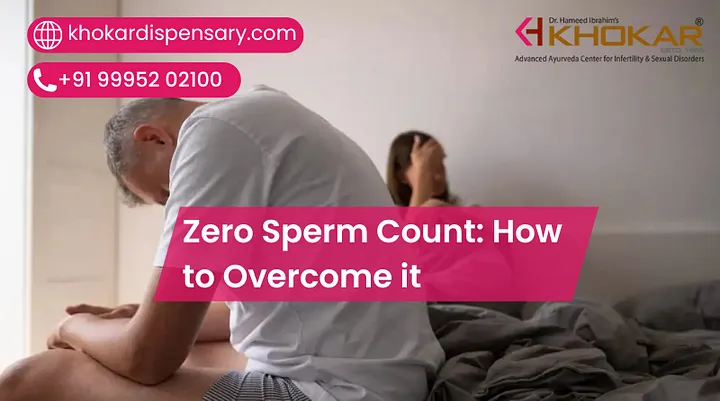
 Zero Sperm Count: How to Overcome it. A zero sperm count, also known as azoospermia, is a condition where a man has no sperm in his semen. While this diagnosis can be distressing, it’s important to remember that there are effective ways to manage and even overcome the condition.

The first step in overcoming azoospermia is to understand the underlying cause. A healthcare professional can help identify whether the issue is due to hormonal imbalances, blockages, or genetic factors. In some cases, lifestyle changes, such as improving diet, exercising, and reducing stress, can boost sperm production.

For men with hormonal imbalances, medical treatments like hormone therapy can help restore normal sperm production. If blockages are the issue, surgery may be a viable solution. In cases where sperm production is not possible, assisted reproductive technologies like sperm retrieval and IVF (In Vitro Fertilization) can provide a solution.

Couples facing azoospermia should seek support from fertility specialists who can guide them through treatment options. With the right approach, many men with zero sperm count can successfully father children.

By addressing the problem early and taking action, overcoming zero sperm count is entirely possible.

Social:

https://in.pinterest.com/pin/350788258497031792/

https://www.linkedin.com/feed/update/urn:li:share:7346071278279118850/

https://www.facebook.com/khokarspecialityclinic/posts/pfbid0FTLg4myZJTjM1QuFcBWwhmFLub2vBsBuYd6o1tE3qoX8wTNFVzUxmLsVNJzyNujel


The Effect of Lactation on Ovulation and Fertility

Tuesday, 8 April 2025


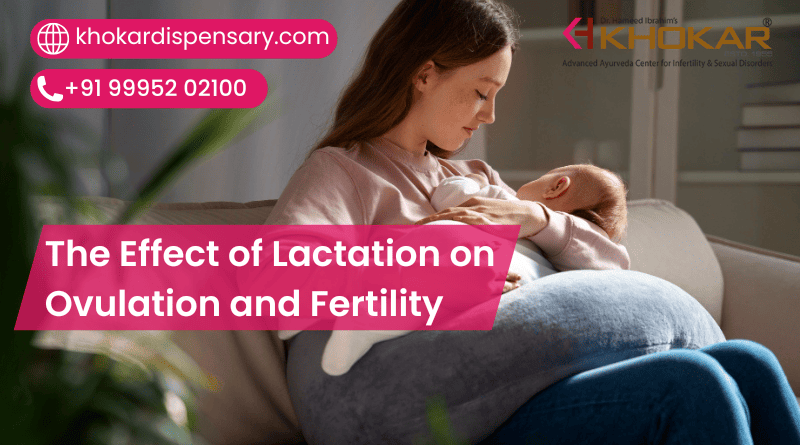
The Effect of Lactation on Ovulation and Fertility. Lactation, or breastfeeding, plays a significant role in fertility and ovulation, particularly in the early months after childbirth. During breastfeeding, the body produces higher levels of the hormone prolactin, which helps stimulate milk production. However, elevated prolactin levels can suppress ovulation, making it more difficult to conceive.

In the early stages of breastfeeding, many women experience a natural form of contraception known as lactational amenorrhea. This means that the menstrual cycle may not return immediately, and ovulation is often delayed or absent. However, this effect varies from woman to woman, depending on factors such as the frequency of breastfeeding, the baby’s age, and individual hormonal responses.

As breastfeeding frequency decreases, typically around six months postpartum, prolactin levels drop, and ovulation can resume. While some women may experience a return to fertility quickly, others may take a little longer. It’s important to note that even if menstruation hasn’t returned, ovulation can occur, so it’s still possible to get pregnant during lactation.

In conclusion, lactation significantly affects ovulation and fertility, but fertility can return once breastfeeding patterns change. Understanding this process is crucial for women planning pregnancies after childbirth.

Social:

https://in.pinterest.com/pin/350788258496352926/

https://x.com/khokarclinic/status/1909528612832719000

https://www.linkedin.com/feed/update/urn:li:share:7315294707067039746/